成语——爱屋及乌

Meaning of the Idiom

ai wu ji wu(love me, love my dog

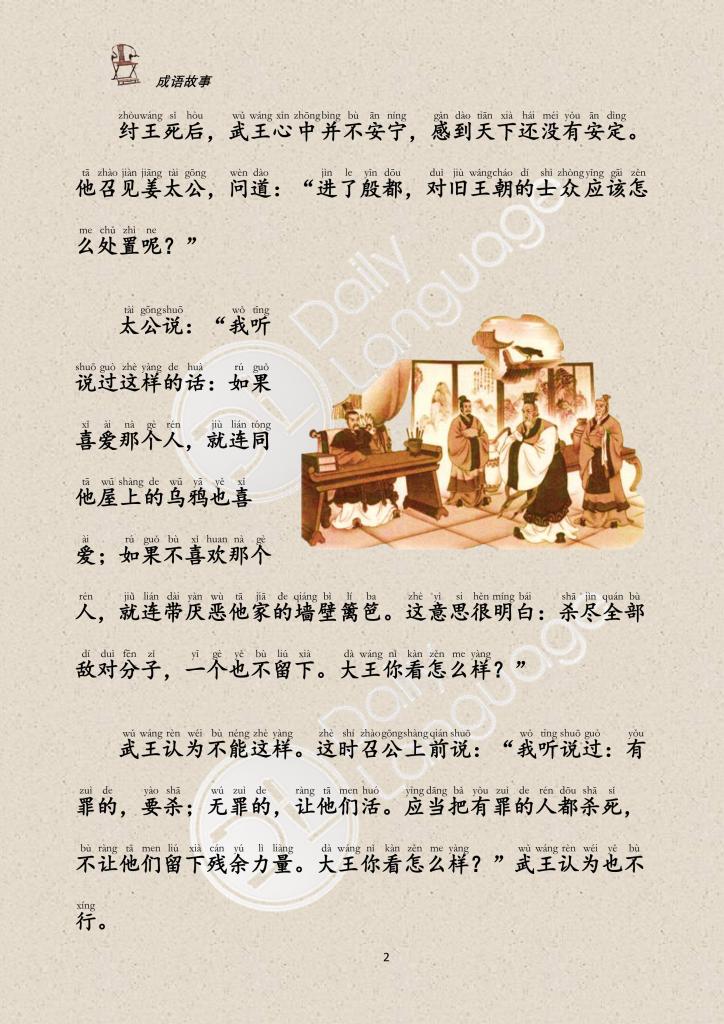
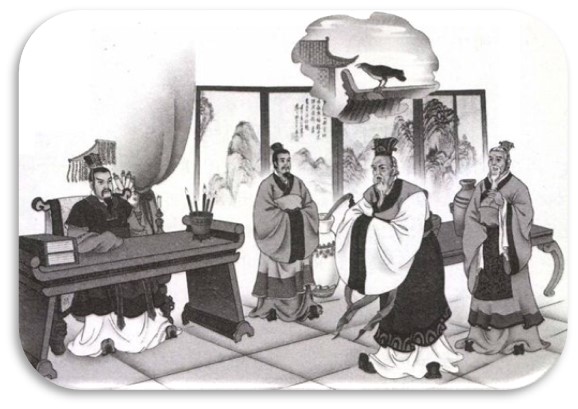
There was a state called Zhou in the chinese history. One day, the king of Zhou asked his officials for advice on dealing with prisoners of war. An official said, “I once heard if you love someone, you are intended to love even the crows on the roof of his house; if you hate someone, you are intended to hate even the walls and the parapets of his. The prisoners of war were enemies fighting against us. In my opinion, we’d better kill them all.”

But the king didn’t agree with him. “I think we should treat the prisoners of war differently by differing them into those who are guilty and those who are not. The guilty ones will be sentenced to death in order to avoid future disasters.” Another official put forward his suggestion. The king didn’t think it was a proper way, either.

Then a third one said, “Your majesty, I think all the prisoners should be set free and sent back home to work in the fields and support themselves by their own labor. Moreover, you should keep strictly the rules for reward and punishment and try to your relatives and friends impartially. The people are sure to believe in you if you administer our country by morals and laws.” The king thought the official’s proposal was quite reasonable so he accepted and followed it. As a result, the domestic situation soon settled down and gradually the country became more stable and stronger.

The idiom is then used to mean that if you love someone, you’ll love people and things relative to him as well.

爱屋及乌

ài wū jí wū,该成语的意思是指因为爱一个人而连带爱他屋上的乌鸦,比喻爱一个人而连带地关心到与他有关的人或物。

出自《尚书大传·大战》。

例句

既然你爱上他,就应该爱屋及乌,包容他的缺点。

出于爱屋及乌的感情,她竟然把我和小狗狗一起搂在她的怀抱里。

因为哥哥是杰出校友,老师爱屋及乌,对我也特别好。

Reading The Paragraphs!

Meaning of Words


词语华文解释英文解释
穷奢(shē)极欲意思是形容奢侈和贪欲到了极点。
例句:这个昏庸的国王过着穷奢极欲的生活,很快就被愤怒的民众推翻了。
extremely extravagant and luxurious
残暴无道意思是残暴狠毒,丧尽道义。
例句:历史上经常会出现一些统治者,他们残暴无道,最终被反抗者推翻。
be have tyrannously without justice
辅佐(fǔzuǒ)协助,多指政治上,如协助君主治理国家。
例句:再英明的领袖,也需要有能臣的辅佐才能治理天下。
assist a ruler in governing a country
讨伐指出兵攻打。
例句:十字军东征实际上是以讨伐异教徒的名义,去抢掠财富和黄金。
send a punitive expedition against
倒戈(gē)指军队投降敌人,反过来打自己人。
例句:执政党已有好几名议员倒戈,投票支持反对党。
change sides in a war
攻克意思是战胜,攻下城镇、据点。
例句:在科学的崎岖之路上,还有许多难题需要去攻克
capture
处置意思是处理。
例句:我先解决眼前的问题,其他的人过几天再处置
deal with
豁(huò)然开朗意思指由狭窄幽暗突然变得宽阔明亮的样子。比喻突然领悟了一个道理。
例句:当我想通了那个原理,忽然觉得豁然开朗,立刻冲回办公室在黑板上写下了那个公式。
be suddenly enlightened
归附指归顺,依服。
例句:如果你真心归附,那我一定不会亏待你的。
submit to the authority of another

成语——四面楚歌

Meaning of the Idiom

si mian chu ge(hearing the Chu songs on four sides

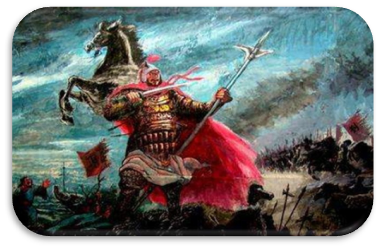
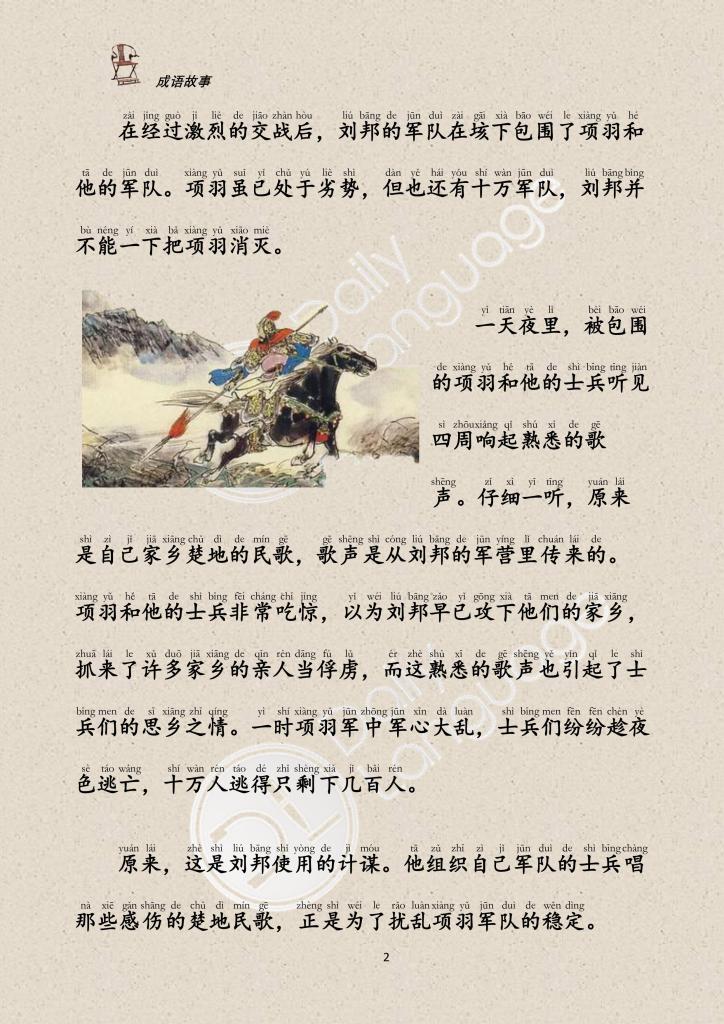
At the end of the Qin Dynasty(221-206 B.C.) the State of Chu and the State of Han fought for control for the country.

Xiang Yu, the king of Chu, was besieged at a place called Gaixia by the Han army led by Liu Bang. Xiang Yu was in a desperate situation, with little food and only a few soldiers.

At night, the surrounding Han troops started to sing Chu folk songs. Xiang Yu was very surprised at this, and said:” Has Liu Bang occupied the whole of Chu? How can he have drafted so many Chu people into his army?” Then he fled together with the remainder of his forces.

This idiom is used metaphorically to mean to be in a helpless and critical situation, surrounded by the enemy on all sides.

四面楚歌

sì miàn chǔ gē,指四面八方皆响起楚地的山歌;比喻四面受敌,孤立无援。

出自汉·司马迁《史记·项羽本纪》。

例句

这种四面楚歌的境地,他想来当真没有多大把握能够冲的出去。

你若在会议上提出这个问题,必然四面楚歌,备受责难。

破产的消息传了出来,跟他讨帐的人纷纷而来,他顿时陷入四面楚歌的境地。

Reading The Paragraphs!

Meaning of Words

词语华文解释英文解释
率领意思是带领,领导。
例句:几个年轻人在小强的率领下,一齐拥到球场里要和那几个学生比拼一下球技。
lead , head , command
互不侵犯指双方相互关系中不得以任何借口进行侵略、打扰。
例句:这两个国家经过几次谈判,最终确定了互不侵犯的原则。
Non-aggression
规劝指郑重地劝说、劝告。
例句:他因为不重视父母的规劝,结果犯了大错。
admonish
劣势意思是在力量或态势上处于比对方不利的地位。
例句:对手比他高大,而且体重也高过自己,这让他的拳击比赛存在一些劣势
inferior position (strength)
思乡之情是指思念家和家乡的一种情绪。
例句: 看到这些熟悉的景物,让他不由心里涌出一股思乡之情
homesickness
计谋意思是用某种方法算计人或事物,使其达到自己预期的目的。
例句:这位侦探使用了一些计谋,终于让那个嫌疑人说了真话。
stratagem; scheme
扰乱指打乱;使混乱。
例句:一辆汽车突然冲了过来,扰乱了行进的游行队伍。
disturb; create confusion
被迫意思是指受外界迫使。
例句:在警察的包围下,匪徒被迫放下武器。
forced to

成语——画龙点睛

Meaning of the Idiom

hua long dian jing(Putting the finishing touch to the picture of a dragon

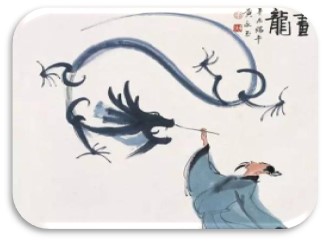
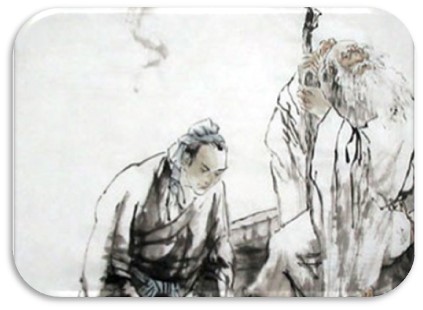
In the Southern and Northern Dynasties Period, there was a painter called Zhang Sengyao.

Once he visited a temple and painted on the wall four dragons, but gave none of them eyes. The onlookers felt that this was odd, and asked why he had not painted the eyes.

He answered, ‘Eyes are crucial for dragons. With the eyes painted on , the dragons would fly away.’

Nobody believed this, so Zhang Sengyao took up his brush and added eyes to two of the dragons. No sooner had he finished than the two dragons flew into the sky amid a thunderstorm. The two without eyes stayed painted on the wall.

This idiom is used to describe how, when writing or speaking, one or two key sentences will enhance the contents.

画龙点睛

huà lóng diǎn jīng,“画龙点睛”原先是形容梁代画家张僧繇作画的神妙,后多比喻写文章或讲话时,在关键处用几句话点明实质,使内容更加生动有力。

出自《历代名画记·张僧繇》。

例句

这盆花摆在这里,的确有画龙点睛之妙,把整个客厅的气氛衬托得非常得好。

文章的结尾画龙点睛,点明了中心思想。

一个好题目,常常对作品有画龙点睛之妙。

Reading The Paragraphs!

Meaning of Words


词语华文解释英文解释
活灵活现意思是形容神情逼真、传神,使人有亲眼所见的感觉。
例句:他讲的西游记生动有趣,把里面的人物说的活灵活现的。
vivid; lifelike
逼真意思是极像真的。
例句:假葡萄无论如何逼真,也不会有美好的味道。
true to life
轻易指轻松容易。
例句:他作为游戏高手,轻易的闯过第一关。
easily
目瞪口呆形容因吃惊或害怕或激动而发愣、发傻的样子。
例句:当年轻人突然拿出刀子要钱,几个小孩子都被吓得目瞪口呆
stunned

成语——力不从心

Meaning of the Idiom

li bu cong xin(unable to do as much as one would like to

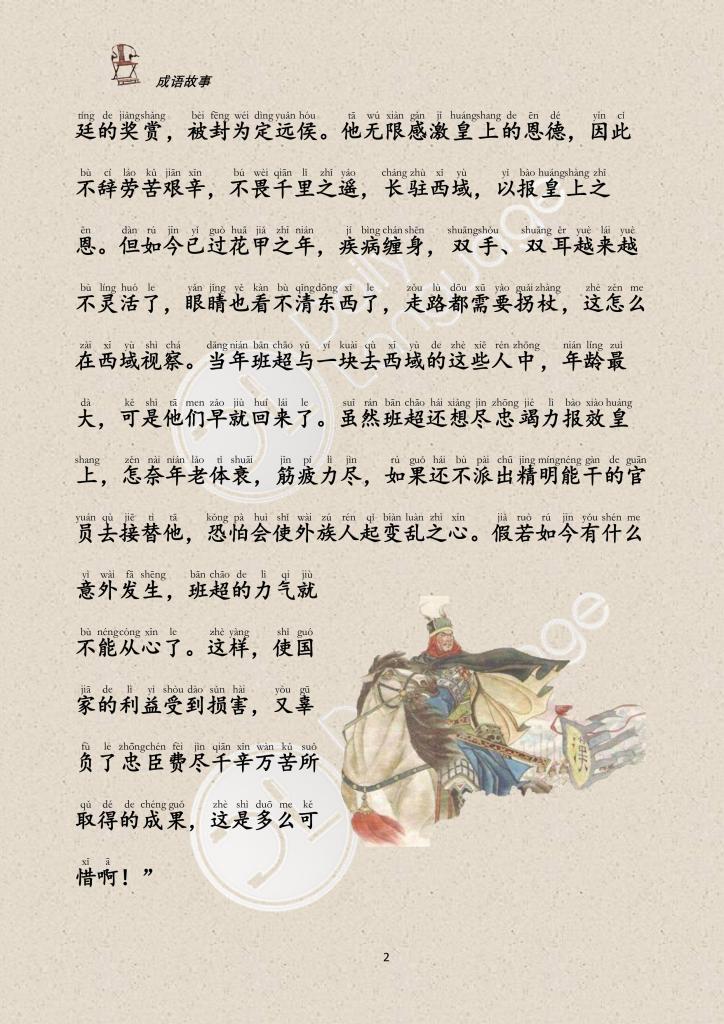
Ban Chao, was one of the greatest diplomatists in the history of China. He led 36 warriors conquered and pacified over 50 countries in the Western Region of Han Empire and defeated the powerful Kushan Empire’s invasion.

Many years later, Ban Chao was sick, so he pleaded to come back to his hometown.

His litter sister Ban Zhao, now an influential female politician, also wrote to emperor to summon him back. In the letter, she mentioned that, as Lao Wang is advanced in years, he is not able to work as he would have liked to do.

After Ban Chao finally came back to the Han Empire, he was highly respected and achieved countless honors. He died a year later, at the age of 71.

力不从心

lì bù cóng xīn,指心中想做某事而力量达不到或无力去做。

出自《后汉书·西域传》。

例句

年纪渐大,想要做的事还很多,但常感到力不从心

如今,我们工作十分忙,要想多照顾一下父母,却又力不从心

真抱歉!不是不肯帮忙,实在力不从心

Reading The Paragraphs!

Meaning of Words


词语华文解释英文解释
派遣指差使人到某处做某事。
例句:部长特别派遣了几名官员陪同议员回国。
to send (on a mission)​, to dispatch
屡建奇功屡,几次,数次;屡建奇功指多次完成意料之外、难以实现的功劳。
例句:霍去病少年英武,才十八岁就率领骑兵在塞外屡建奇功
establish unusual merits repeatedly
年事已高指一个人的岁数已经很大了。
例句:他年事已高,不再适合担任这个职务了。
very old
安度晚年意思是安然的享受老年生活。
例句:经过了这么多年的征战,他终于可以解甲归田、安度晚年
to live in comfort in the old age
尽忠意思是竭尽忠诚。
例句: 他从小就立志要效法岳飞,尽忠报国,因此投身军旅。
be loyal to
年老体衰意思是年事已高,身体衰弱。
例句:据说那个年老体衰的老头是独自一个人在家去世的。
old age and physical decline
辜负意思是使别人或者自己对自己或者别人的希望落空;违背了别人的好意、希望。
例句:我决不辜负老师的期望。
fail to live up to one’s expectation; be unworthy
千辛万苦指各种各样的艰难困苦。
例句:经过千辛万苦,唐僧师徒四人终于来到西天,取得了真经。
go through untold [many] hardships
体会意思是指体验领会。
例句:他体会到把外语作为一种工具使用的重要性。
understand
辞世指逝世;去世。
例句:在母亲辞世的第二天早晨,他就默默收拾行装,离开了家。
died

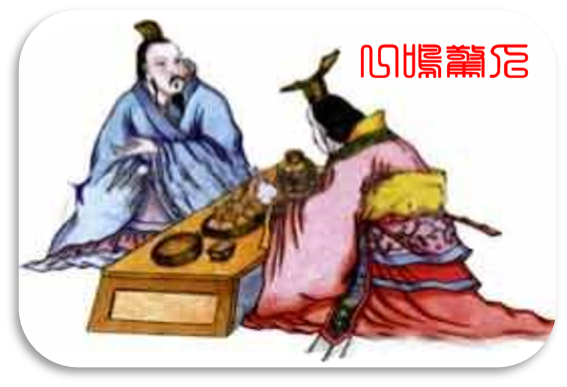
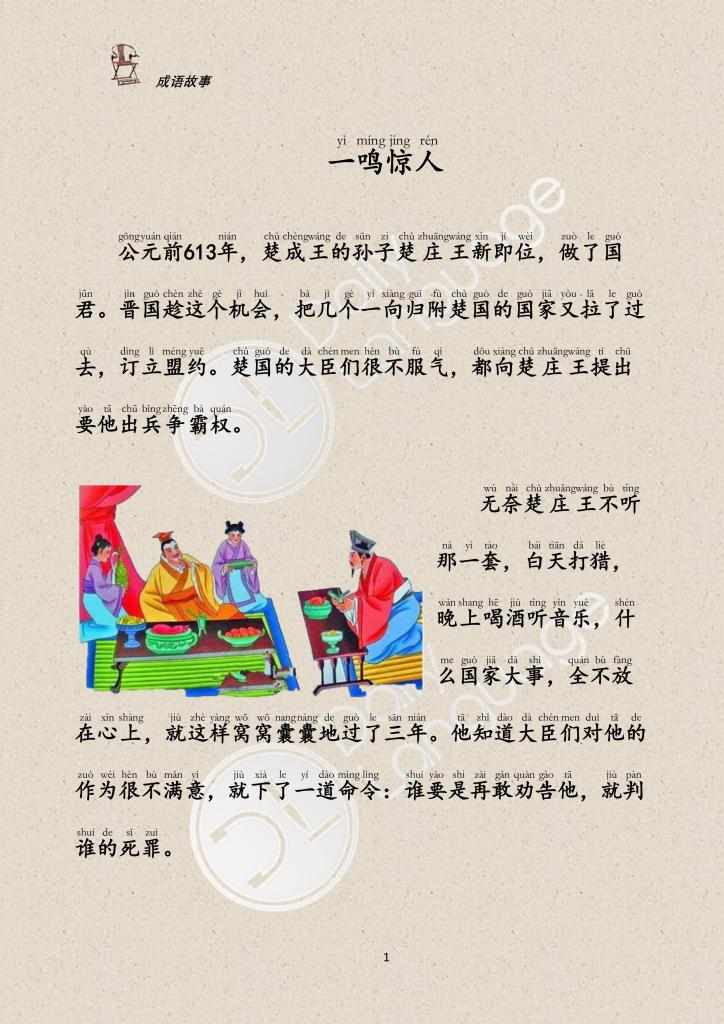
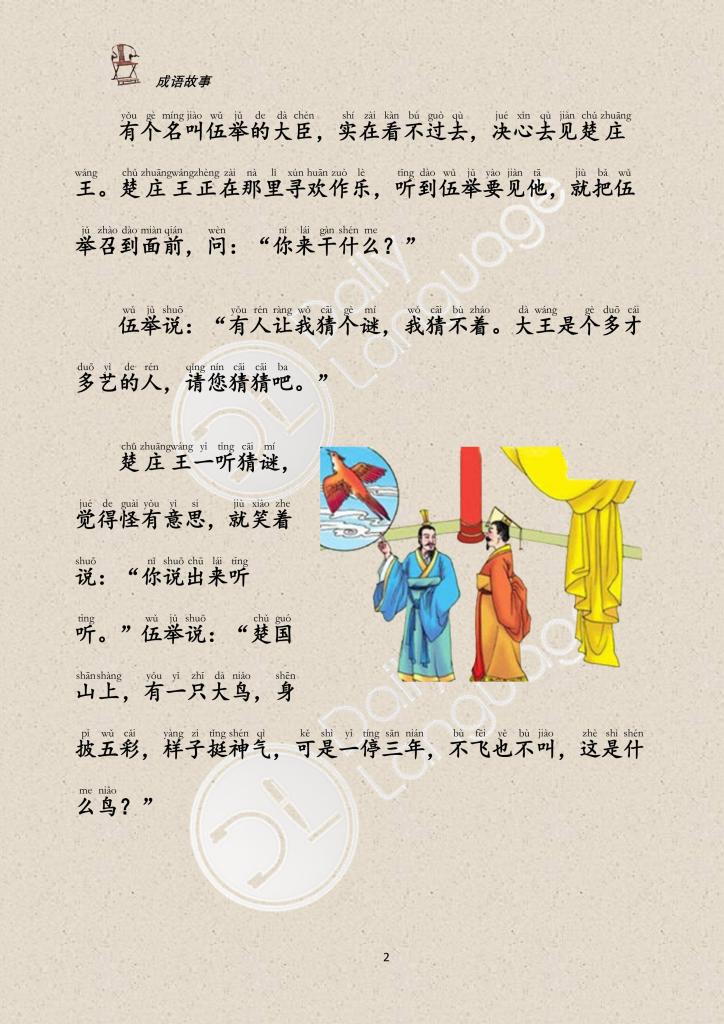
成语——一鸣惊人

Meaning of the Idiom

yi ming jing ren(Startling the World with a Single Cry

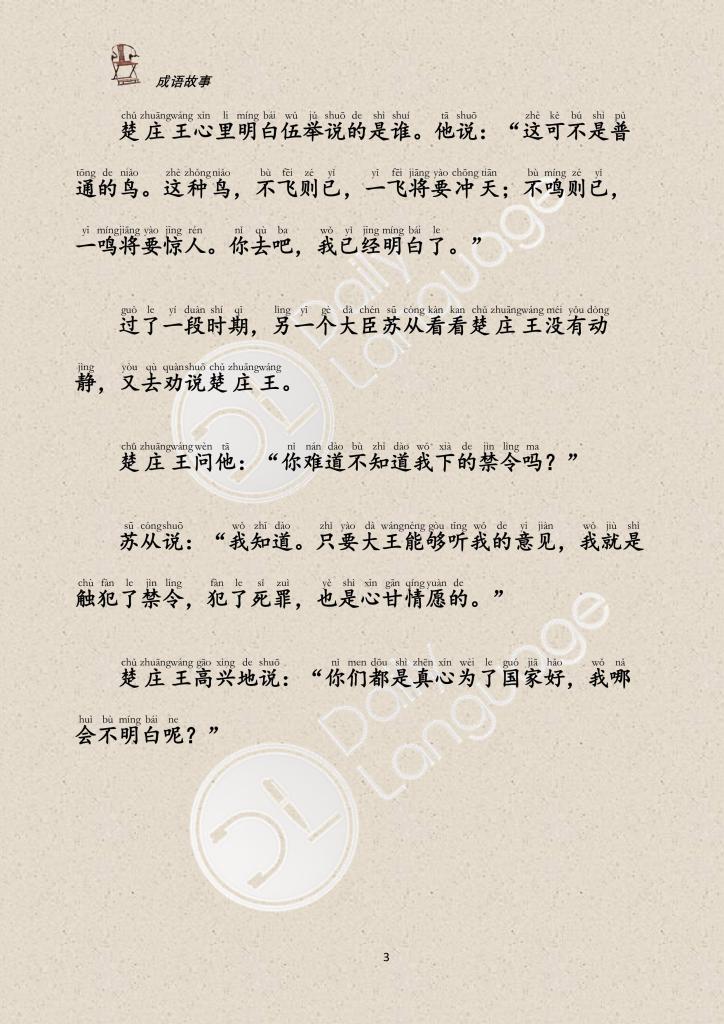
In the Warring States Period, it had been three years since King Zhuang of Chu ascended the throne, but he had neither issued a decree nor dealt with any state affairs. Furthermore, there were no deeds worth mentioning. All the civil and military officials of the court couldn’t understand what was the matter.

One day, a military official quietly asked King of Chu in the carriage:

“Your Majesty, I heard that in the south, there was a big bird dwelling in the hills. Three years passed, it neither flew nor cried. Could Your Majesty tell me the reason?”

King Zhuang of Chu smiled and answered:

“It didn’t spread its wings to fly for three years in order to grow full-fledged. It didn’t cry for three years in order to carefully observe the conditions of the people in the world. This bird, once it flies, will soar high into the sky; once it cries, it will startle the world with a single cry.”

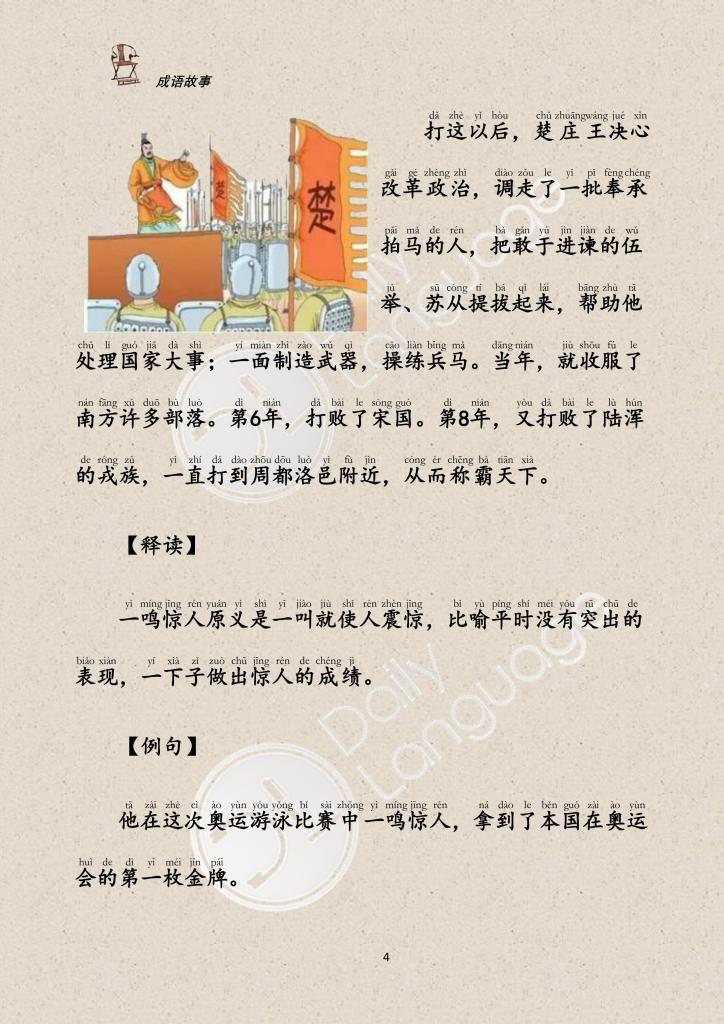
Another half a year passed before King Zhuang of Chu began to personally administer state affairs. He abolished ten outmoded rules and regulations, issued nine new policies, sentenced five ministers to death for their evil deeds and promoted six persons with real talents. From then on, the State of Chu became stronger and stronger.

一鸣惊人

yī míng jīng rén,原义是一叫就使人震惊,现比喻平时没有突出的表现,一下子做出惊人的成绩。

出自《韩非子·喻老》。

例句

他平常成绩并不出色,这次竞赛竟然得了全校第一,真是一鸣惊人

这位喜剧演员果然具有实力,首次公演便一鸣惊人

他平时不露声色,关键时刻却往往一鸣惊人

Reading The Paragraphs!

Meaning of Words


词语华文解释英文解释
归附指归顺,依服。
例句:入夜,喧闹了一天的会场慢慢归附了平静。
submit to the authority of another
盟约意思是结盟时所订的誓约或条款、协议。
例句:为了共同抵御俄国的势力,日本和英国签订了盟约
convention
不服气指不平,不心服;不认输。
例句:这次输给他,我不服气
not convinced
无奈意思是表示没有办法了,无计可施。
例句:无奈反对意见太多,只得取消了这次会议。
helpless
窝窝囊囊意思是受委屈之后表现出的烦恼,窝气或指人懦弱,没本事。
例句:我不能再这样窝窝囊囊地活着。
cowardly
寻欢作乐意思是寻求欢快,设法取乐;形容追求享乐。
例句:有哪个富人会在寻欢作乐之际,想到那穷苦潦倒的人们。
pursue pleasure
多才多艺意思是具有多方面的才能和技艺。
例句:这个姑娘琴棋书画样样精通,真可谓多才多艺呀!
versatility
心甘情愿心里完全愿意,没有勉强。多指自愿做出某种牺牲。
例句:为了儿女,父母心甘情愿劳苦一生。
be most willing to; be perfectly happy to
奉承指用好听的话恭维人。
例句:他这个人禁不起别人奉承几句,就晕头转向了。
flatter
进谏(jiàn)指向君主或尊长直言规劝。
例句:他不顾长官的反对,直接向部长进谏,要求减免附加费用。
remonstrances
提拔指选拔提升。
例句:他不顾众人的反对,特别提拔了几个有能力的年轻人。
promote

成语——惊弓之鸟

Meaning of the Idiom

jing gong zhi niao(a bird which has been hurt by an arrow — a badly frightened person

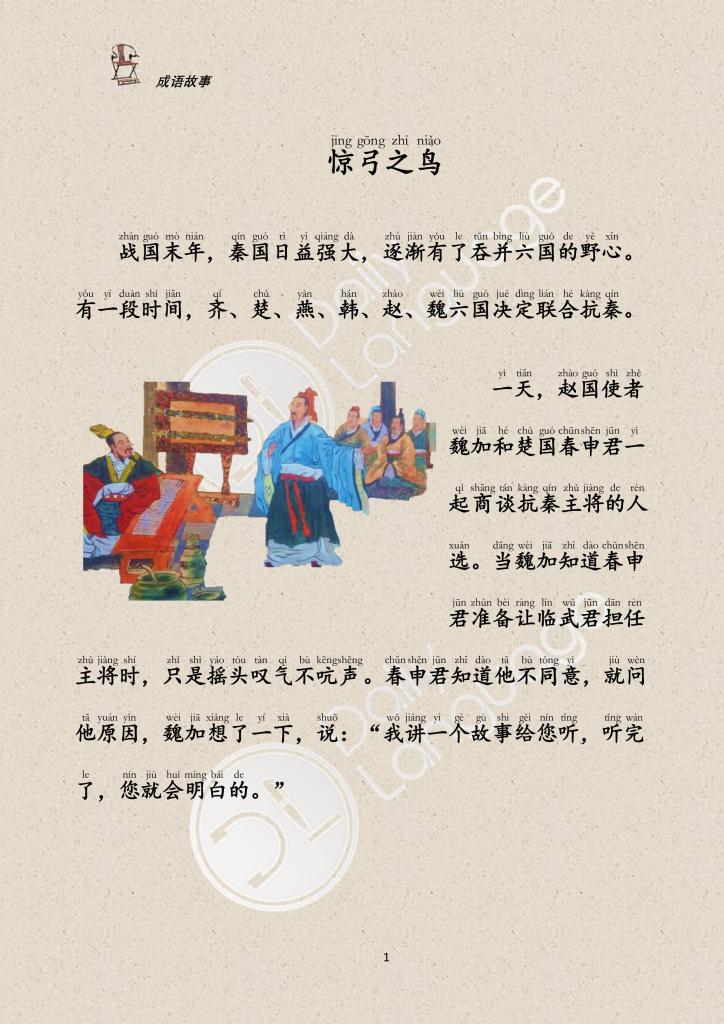
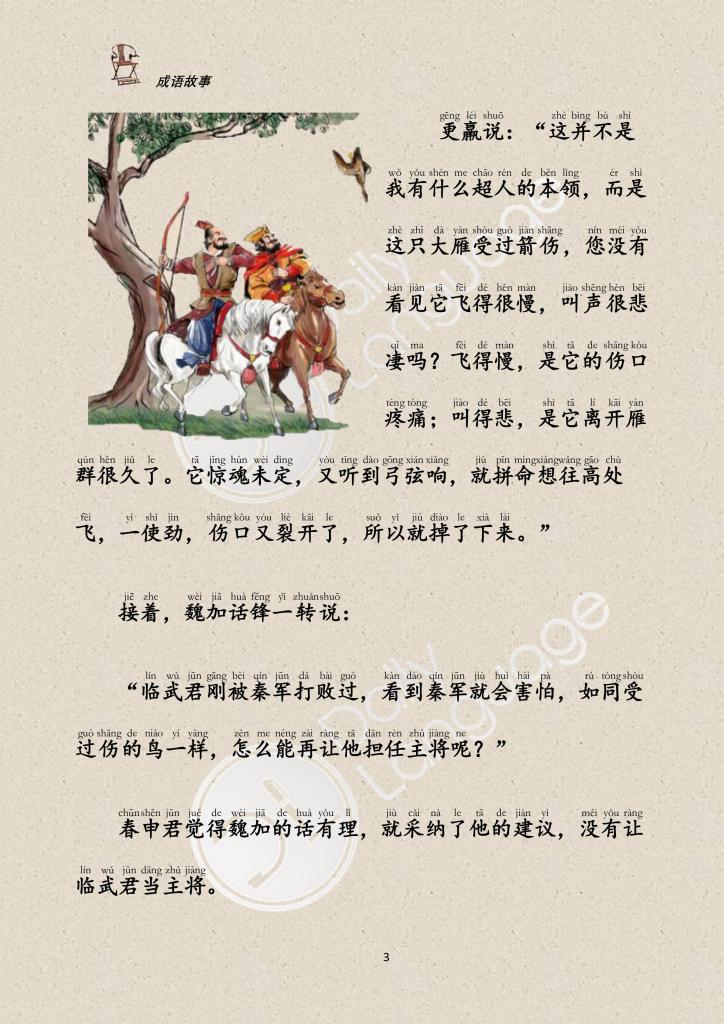
In the Warring States Period, there was a man in the State of Wei called Geng Lei.

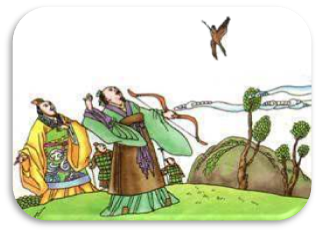
One day he said to the king: ‘I can shoot down birds by simply plucking my bowstring.’ When the king expressed doubt, geng Lei pointed his bow at a wild goose flying in the sky, twanged the bowstring, and the goose fell to the ground.

Geng Lei said, ‘This goose has been hurt in the past. Hearing the twang of the bowstring, it assumed that it was doomed. So it simply gave up trying to live.

This idiom means that if one has been frightened in the past one’s will may become paralysed in a similar situation.

惊弓之鸟

jīng gōng zhī niǎo,原义是指被弓箭吓怕了的鸟不容易安定,后比喻经过惊吓的人碰到一点动静就非常害怕。

出自《战国策·楚策四》。

例句

经过上次惊吓,一有风吹草动,他就如惊弓之鸟,忙不迭的逃跑。

一个做了亏心事的人一听到议论他的话,都如同惊弓之鸟

自从被警察问话了之后,他就如同惊弓之鸟,夜不能寐、寝食难安。

Reading The Paragraphs!

Meaning of Words


词语华文解释英文解释
日益指一天比一天更加(好或坏)。
例句:奶奶病情日益好转,过几天就可以出院了。
increasingly
吞并意思是并吞,兼并。
例句:在英法的绥靖政策下,德国陆续吞并了捷克、波兰等欧洲国家。
merger
百发百中意思是形容射箭或打枪准确,每次都命中目标;也比喻做事有充分把握。
例句:看这些高手射飞鏢,几乎都是百发百中,真令人佩服。
shoot with great accuracy
悲凄(qī)指悲痛哀伤。
例句:面对离别,她內心感到相当悲凄
grieved; sad; sorrowful
惊魂未定意思是受惊后心情还没有平静下来。
例句:看着灾难的现场,他至今都还是惊魂未定
shocked
话锋意思是话头。
例句:她话锋一转,开始数落起丈夫的不是。
thread of discourse
采纳意思是采取接纳。
例句:他很固执,是不会轻易采纳别人意见的。
accept

成语——班门弄斧

Meaning of the Idiom

ban men nong fu(show off one’s proficiency with the axe before Lu Ban, the master carpenter

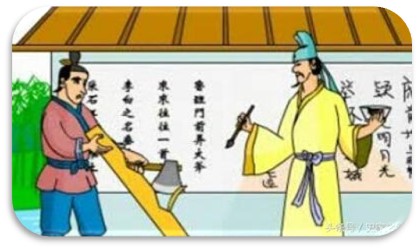
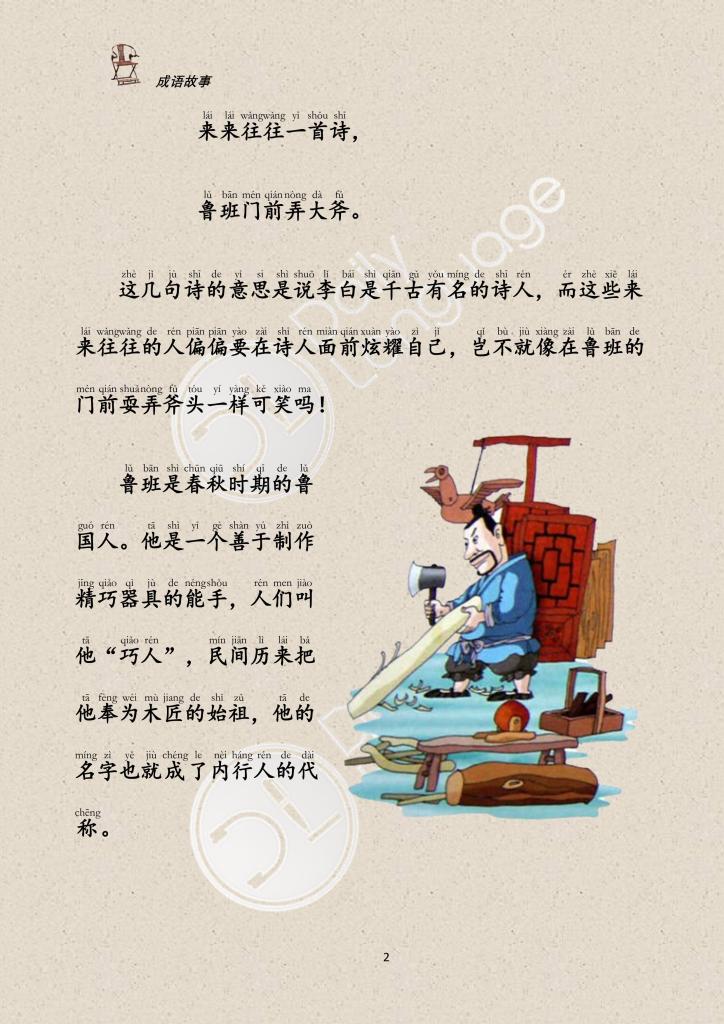
Lu Ban (lǔ bān ) was supposed to be a consummate carpenter in ancient times.

Legend has it that he once made a colorful phoenix out of wood that could fly in the sky for three days without falling.

Thus it was considered the height of folly to show off one’s skill with an axe in front of Lu Ban.

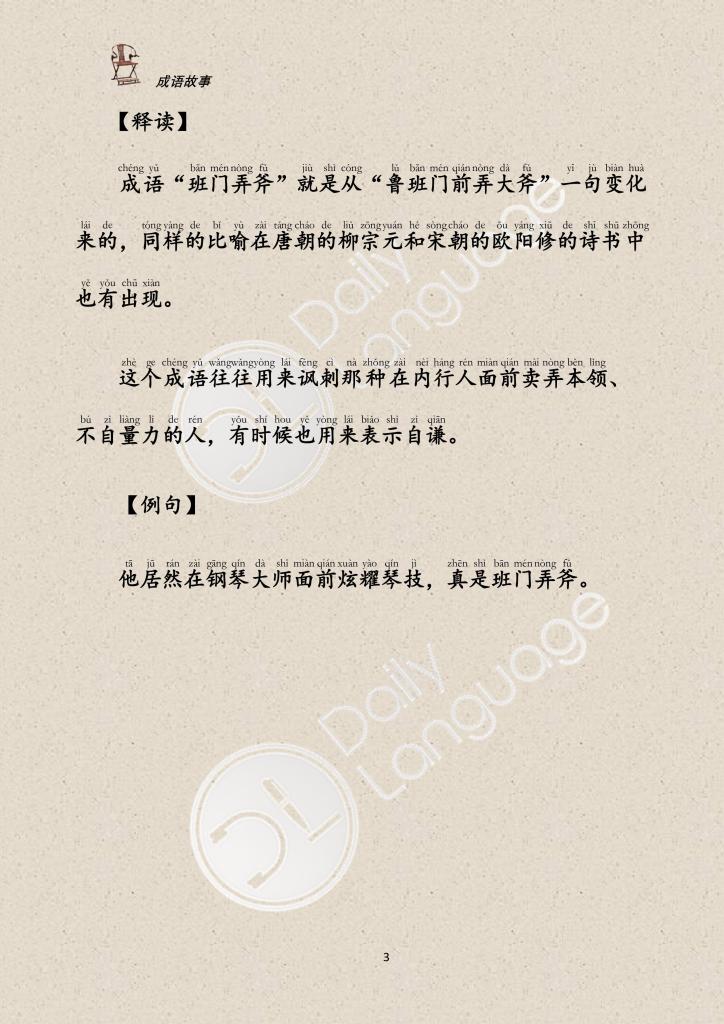
班门弄斧

bān mén nòng fǔ,班门弄斧意思是在鲁班门前舞弄斧子。比喻在行家面前卖弄本领,不自量力。

出自《王氏伯仲唱和诗序》。

例句

小华的爸爸是围棋高手,你和他比试,不是班门弄斧吗?

说到写文章,我实在不敢在你面前班门弄斧

就凭你这点本事,就敢在专家面前班门弄斧,真是可笑。

Reading The Paragraphs!

Meaning of Words


词语华文解释英文解释
凭吊指对着遗迹、遗物等感慨古时的人和事。
例句:到杭州西湖游览的人们总要到岳王坟前凭吊一番。
visit and ponder on the past
狗屁不通意思是指责别人说话或文章极不通顺。
例句:因为你是名人,所以尽管你有关人工智能的文章狗屁不通,还是有人赞同。
be mere trash
冒充指以假充真,用假的东西,当作真的欺骗别人。
例句:他冒充顾客在商店行窃被罚款,那只不过是他应得的惩罚。
pass oneself as; pretend to be; personate
风雅指外貌或举止端庄或高雅。
例句:父亲说:品茶是风雅的事,也要内行才懂得。
elegant; grace
胡诌(zhōu)意思是信口瞎编;随意乱说。
例句:突然被妻子盘问,他就为那笔钱地花费胡诌了一大堆理由。
fabricate wild tales
拙劣意思是笨拙而低劣。
例句:他今天的拙劣表演与他去年的表演大相径庭。
clumsy
舞文弄墨意思是故意玩弄文笔、文字技巧。
例句:也许是看多了言情小说,她也学着舞文弄墨起来,有模有样地写出了一篇爱情小说。
show off literary skill
感慨之余意思是在感叹情绪后的想法和感觉。
例句:望着高耸入云的乞力马扎罗火山,感慨之余,不由赞叹起大自然的鬼斧神工。
With emotion
炫耀指夸耀。 亦指刻意向他人展现自己认可的事物,从而获得别人的赞美与羡慕。
例句:弟弟考试得了一百分,得意的向我炫耀
show off; flaunt
始祖指姓氏的祖先,亦指有世系可考的最初的远祖。
例句:化石证据显示,人类与猿类可能拥有共同的始祖
first ancestor

成语——退避三舍

Meaning of the Idiom

tui bi san she(Retreating about Thirty Miles as Condition For Peace

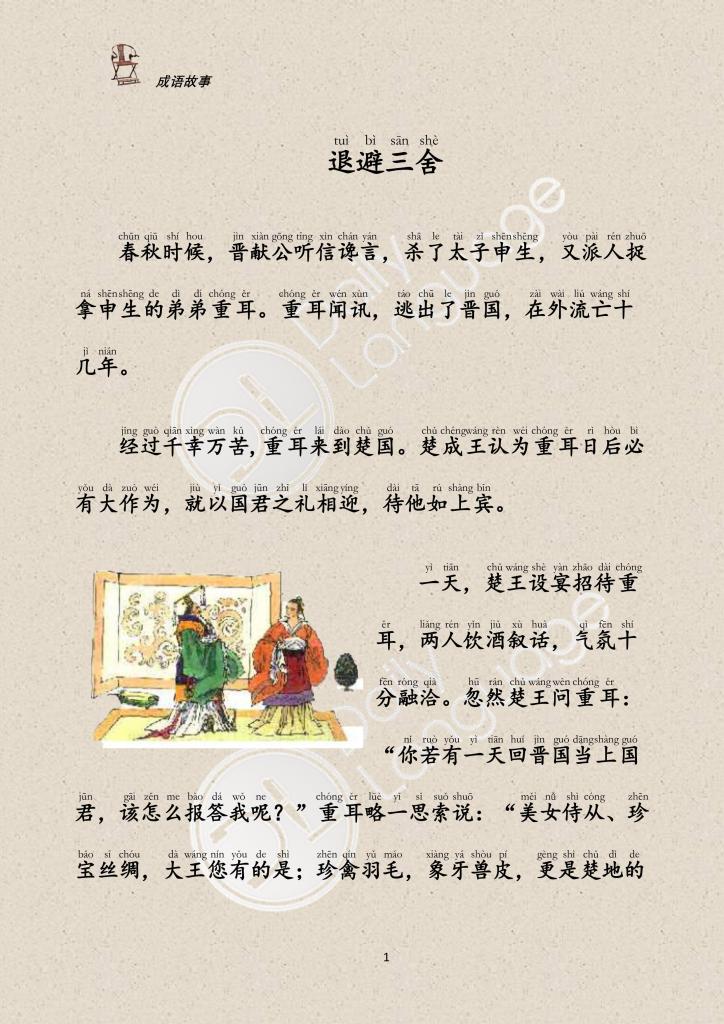
During the Spring and Autumn Period (770-476 B.C.), Duke Xian of the State of Jin Killed the crown prince Sheng because he had heard slanders about Sheng and believed them. He also sent his men to arrest Chong Er, Shen Sheng and believed them. He also sent his men to arrest Chong Er, Shen Sheng’s brother. Hearing the news, Chong Er escaped from the state of Jin, remaining a fugitive for more than ten years.

After innumerable hardships, Chong Er arrived at the State of Chu at last. King Cheng of the State of Chu treated him with high respect as he would have treated the ruler of a state, believing that he would have a great achievements.

One day, King Cheng of the State of Chu gave a banquet in honor of Chong Er. Suddenly, amid the harmonious atmosphere of drinking and talking, King Cheng of the State of Chu asked Chong Er. “How will you repay me when you return to the State of Jin and become its ruler one day?” After thinking for a moment, Chong Er said, “You have plenty of beauties and attendants as well as jewelry and silk cloth, and the state of Chu abounds in rare brides and animals. What treasure can the State of Jin boast having to present to your majesty?” King Cheng of the State of Chu said, “You are too modest. Nevertheless, you still have to show your gratitude to me in one way or another, I presume?” Smiling, Chong Er answered, “If I should be fortunate enough to return to the State of Jin and become its ruler, the State of Jin would be friendly to the State of Chu. If, one day, there should be a war between the two states, I would definitely order my troops to retreat three SHE (one SHE is equivalent to thirty LI. The LI is a Chinese unit of length equivalent to 1/2 kilometer. And, therefore, three SHE is about thirty miles.) as a condition for peace. If, under that condition, you were still not reconciled, I would have to fight with you.”

Four years later, as might be expected, Chong Er returned to the State of Jin and became its ruler. He was none other than Duke Wen of the State of Jin famous in ancient Chinese history. Ruled by him, the State of Jin became increasingly powerful.

In the year 533 B.C., the Chu troops and the Jin troops confronted each other in a battle. Faithful to his promise, Duke Wen of the State of Jin ordered his troops to retreat about thirty miles. After retreating, the Jin troops were stationed at Chengpu. Seeing that the Jin troops were retreating, the Chu troops thought that the enemy troops were afraid, and began chasing them. Taking advantage of the Chu troops’ arrogance and their talking the Jin troops lightly, the Jin troops concentrated their forces and inflicted a crushing defeat on the Chu troops, thus winning the victory of the battle of Chengpu.

The idea of this set phrase is to give way to somebody in order to avoid a conflict.

退避三舍

tuì bì sān shè,退避三舍(舍,古时行军以三十里为一舍)原意指为了回避与对方的冲突,主动退让九十里;常用于比喻退让和回避,避免冲突。

出自《左传·僖公二十三年》。

例句

我说不过姊姊,只得退避三舍了。

今天我是敬重他,所以退避三舍,别误以为我是在怕他。

今天对方来势汹汹,且让我先退避三舍,思谋良策。

Reading The Paragraphs!

Meaning of Words


词语华文解释英文解释
谗言指说坏话诽谤人。亦指坏话,指挑拨离间的话。
例句:不管你怎么说,也没有人听信你这谗言!
calumny
千辛万苦指各种各样的艰难困苦。
例句:不过几年,千辛万苦修起来的路被冲毁了。
go through untold [many] hardships
作为意思是行为,所作所为;或指建树,成就。
例句:这几年,她在科研方面有作为
achievement; accomplishment
融洽(qià)彼此感情好,没有隔阂和抵触。
例句:他俩交往时间虽然不长,却相处融洽
harmonious; friendly
思索意思是反复思考探索。
例句:聪明的弟弟不假思索地回答出了爸爸的问题。
ponder
日益意思是一天比一天更加(好或坏)。
例句:空气污染日益严重,很多人外出都戴上口罩。
increasingly
轻敌指轻视敌手而不认真对待。
例句:他打球灵活多变,令人防不胜防,我只能全神贯注,不敢轻敌
take the enemy lightly

成语——朝三暮四

Meaning of the Idiom

zhao san mu si(Three in the Morning and Four in the Evening

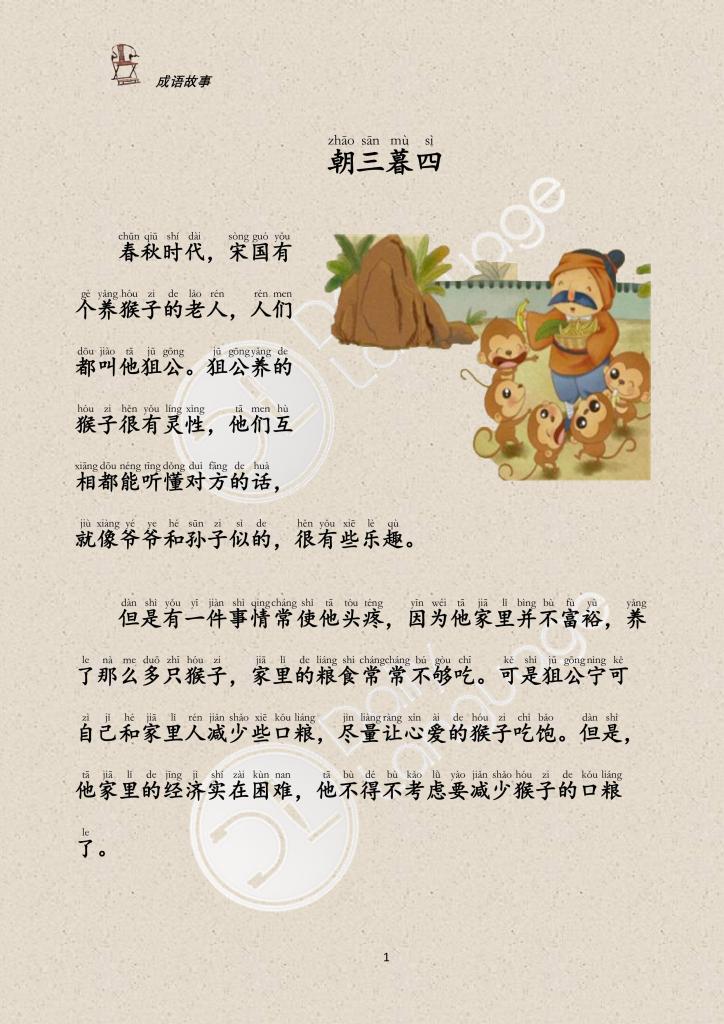
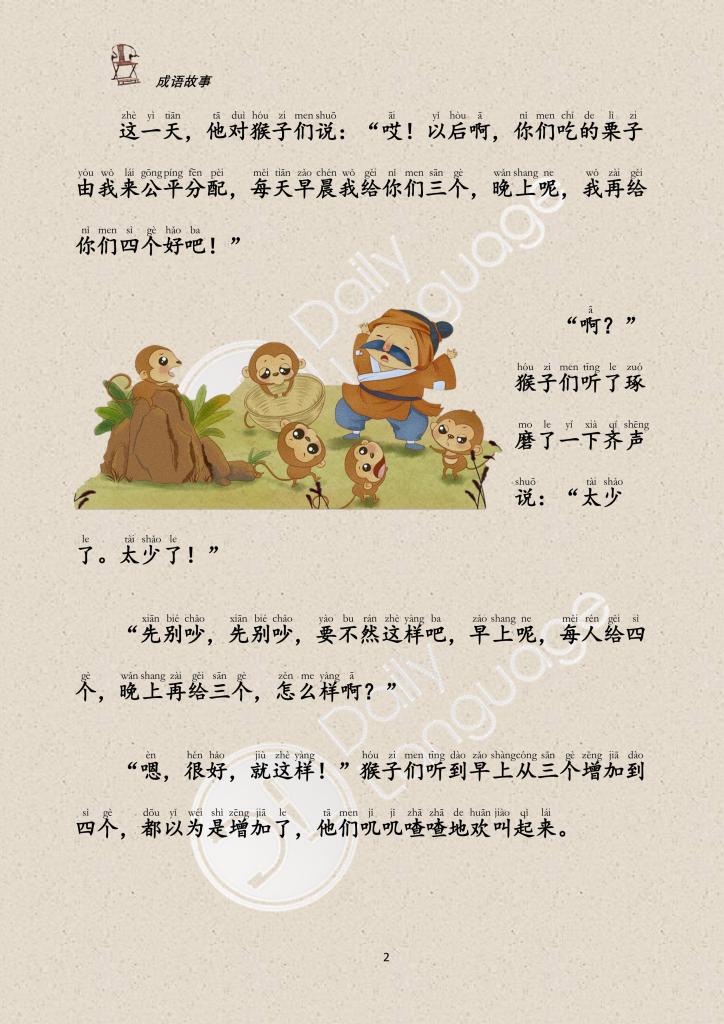
In the Spring and Autumn Period, a man in the state of Song raised monkedy. The monkeys could understand what he said.

As the man became poor, he wanted to reduce the monkey’s food. He first suggested that he give them three acorns in the morning and four acorns in the evening. thereupon, the monkeys protested angrily. Then their owner said”How about fourn in the morning and three in the evening?” The monkeys were satisfied with that.

This idiom originally meant to befool others with tricks. Later it is used to mean to keep changing ones’ mind.

朝三暮四

zhāo sān mù sì,原指玩弄手法欺骗人。后用来比喻常常变卦,反复无常。

出自《庄子·齐物论》。

例句

我们做事情要有目标,不要朝三暮四,随意变化,这样往往一事无成。

她看出他是个朝三暮四的年轻人,会随时追逐他遇见的每个女人。

他越来越给人一种反复无常的印象,主意太多,朝三暮四,往往不切实际。

Reading The Paragraphs!

Meaning of Words


词语华文解释英文解释
灵性指一种天赋的智慧和悟性。
例句:这只狗很有灵性,它能帮助盲人带路。
spiritualism
富裕意思是经济宽裕;充裕丰富。
例句:自从换了这份收入不错的工作,从此我不仅每月过的都很富裕,而且能按月积蓄一点钱。
prosperous; well-to-do; well-off
琢磨(zhuó mó)原指琢和打磨玉石,现比喻仔细思考、研究。
例句:他话中的意思,我当然可以琢磨出来!
pondering

成语——千钧一发

Meaning of the Idiom

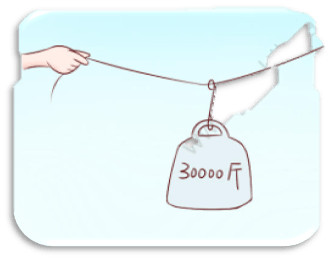
qian jun yi fa(to hang the weight of 15 tons by a single hair

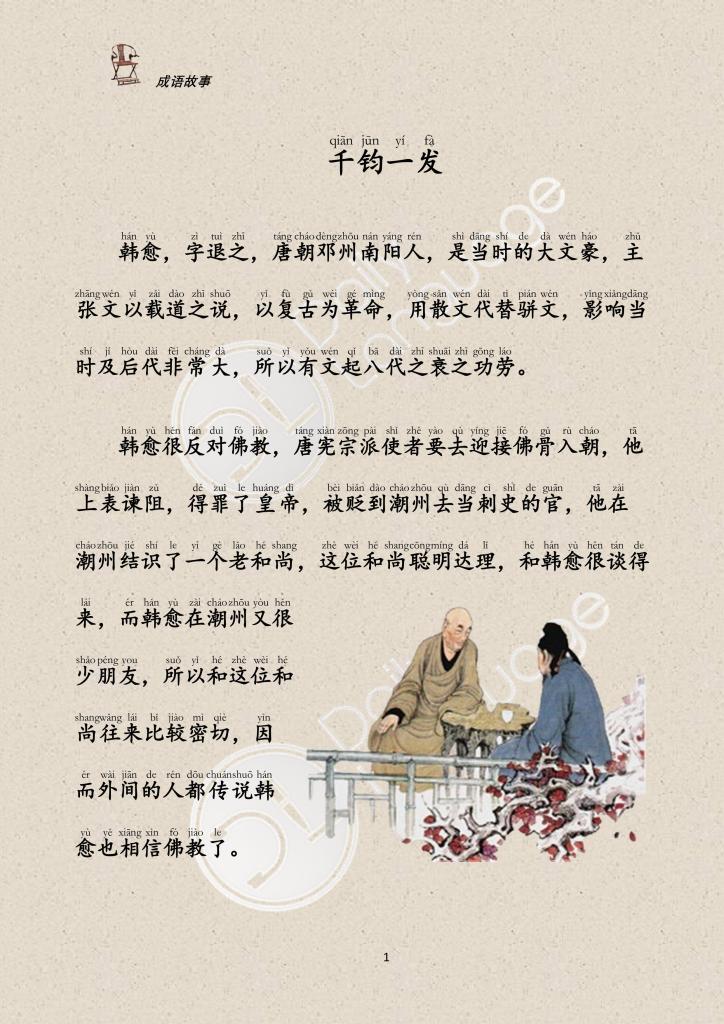
In Tang Dynasty, the famous scholar Han Yu was quite indignant at the ministers who believed in Buddhism and did not respect Confucianism.

In his letter to his friends, there is such a saying: “The situation in the country is like a dress that is already riddled with holes, something that is easily lost in a chaotic environment, and the greatest danger is like hanging the weight 15 tons thing by a single hair.

千钧一发

qiān jūn yī fà,千钧一发原义是千钧的重量系在一根头发上,形容情况极其危急。

出自唐·韩愈《与孟尚书书》。

例句

就在这千钧一发之际,列车飞驰而过。

跑到马路中间的孩子眼看就要被车撞上了,在这千钧一发之际,一个眼疾手快的过路人救下了他。

在这千钧一发的时刻,爸爸一把拉住了我。

Reading The Paragraphs!

Meaning of Words


词语华文解释英文解释
文豪对在文学上有杰出成就,在文学史上做出过巨大贡献的作家的赞称。
例句:巴尔扎克是法国十八世纪的大文豪
literary giant
主张提倡,扶持;或对某种行动提出见解;筹办。
例句:会考试题泄漏,有人主张重新考一次,也有人认为该处罚当事人。
proposition
复古是指恢复,模仿往古的社会秩序和习俗。
例句:最近的设计界流行一股复古风潮。
retro
得罪意思是使人不快或怀恨;冒犯。
例句:我什么地方得罪了你,你总要为难我。 
offend
贬谪(zhé)意思是指官吏降职,被派到远离京城的地方。
例句:他得罪了朝中权贵,被贬谪到了苦寒之地。
relegate
疑惑意思是对人和事物有疑虑和困惑。
例句:她起了疑惑,便决定弄个水落石出。
feel uncertain; be not convinced
蛊(gǔ)惑意思是可指迷惑、诱惑,使人心意迷惑、惑乱、迷乱等。
例句:他们无中生有地散布谣言,蛊惑人心,以达到不可告人的罪恶目的。
bewitch
抨(pēnɡ)击指用文字或言语来严厉驳斥、攻击。
例句:他的新作一展出就受到了评论家的猛烈抨击
attack
疏远指关系、感情不亲近、冷淡。
例句:长期的分离让孩子们和她疏远了。
alienation
堕落道德方面下落至可耻或可鄙的程度。
例句:任何打击都不应该成为你堕落的借口,选择一条正确的路,坚定的走下去。
degenerate
愤慨指愤恨,气愤不平。
例句:对于朋友遭受到的不公,他表示非常愤慨
indignation