成语——自相矛盾

Meaning of the Idiom

zi xiang mao dun(Self-Contradictory)

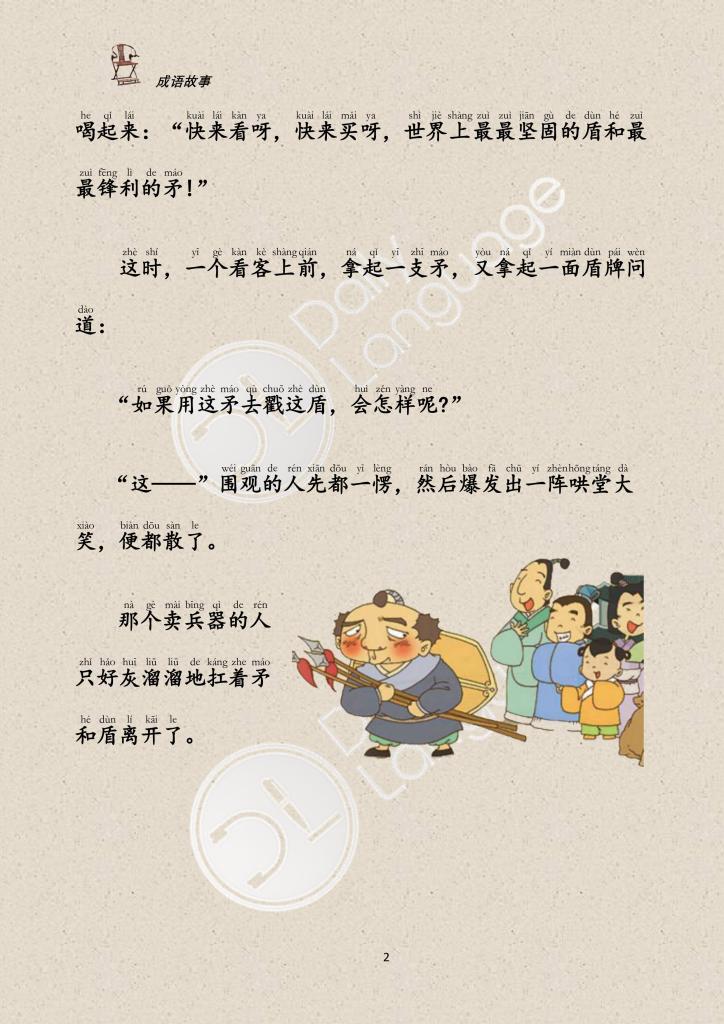
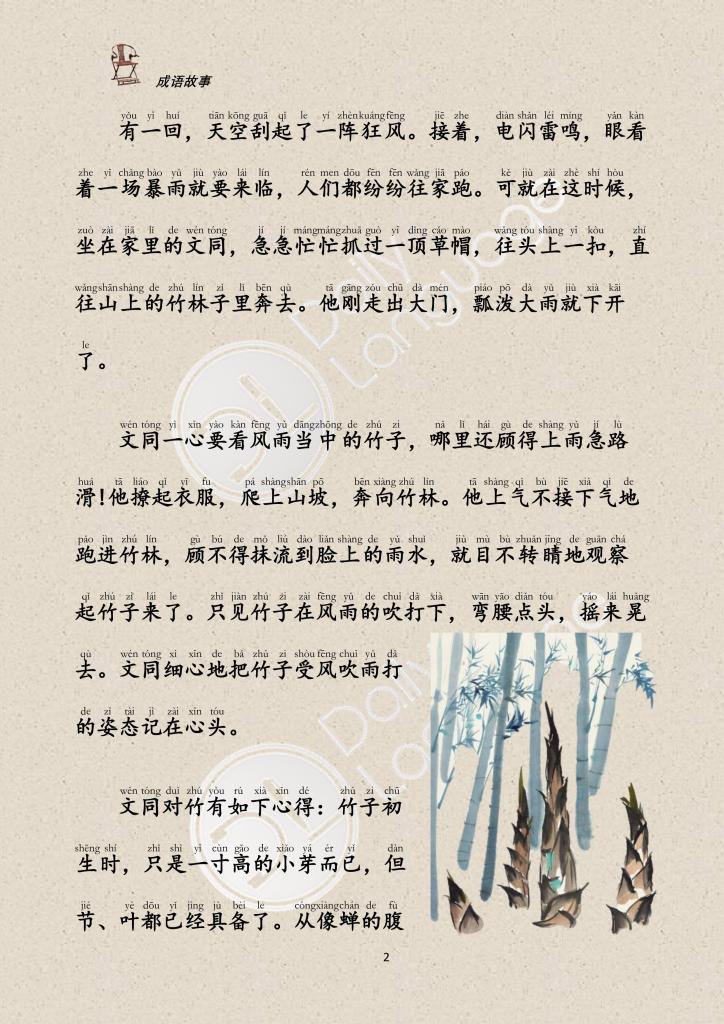
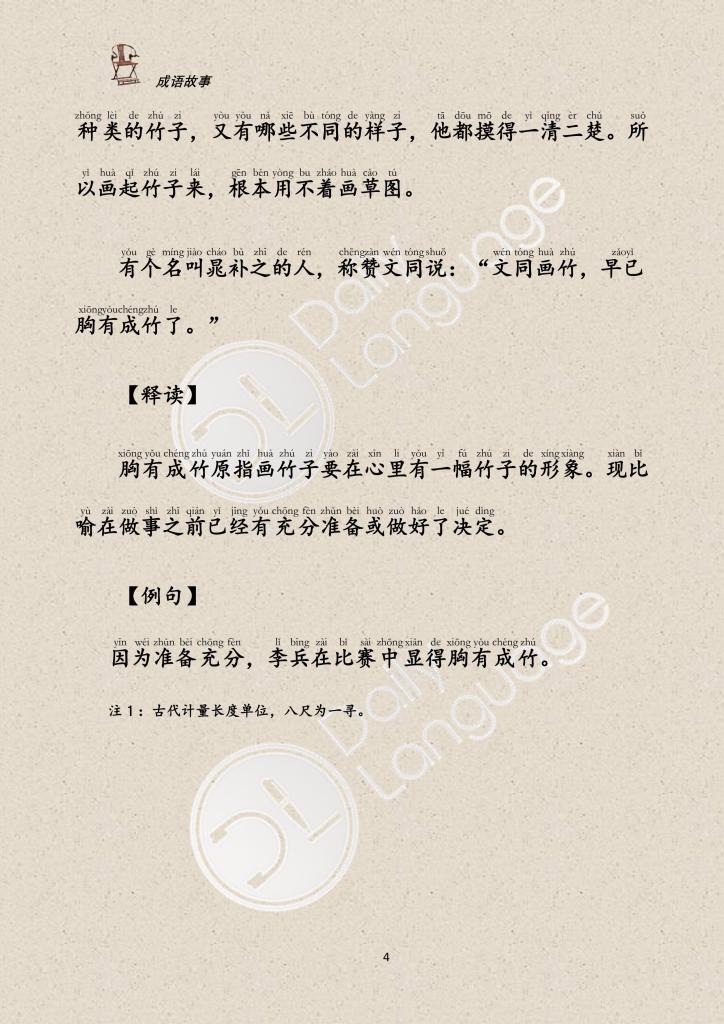
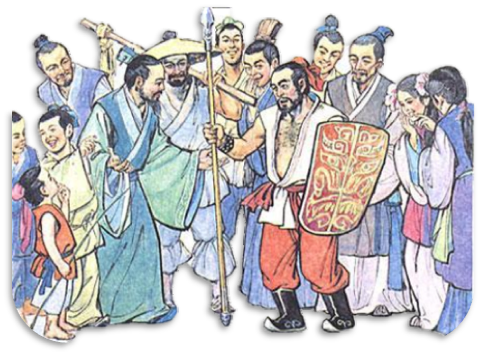
In ancient times, there was a man who sold spears as well as shields.

One day, he hawked his wares at the market and was very pleased with himself. He held up a shield and said: “My shield is very strong. No matter how sharp a spear is, it cannot pierce my shield.”

After that, he held up his spear and bragged: “My spear is very sharp. No matter how strong a shield is, my spear can pierce it.

When the people standing by heard this, they laughed up their sleeves. One of them asked him:

“According to what you said, your spear is the sharpest. No matter how strong a shield is, your spear can pierce it. Your shield is also the strongest. No matter how sharp a spear is, it cannot pierce your shield. Now, if I poke your shield with your spear, what will be the result?”

The man was so embarrassed that he could not utter a single word.

自相矛盾

zì xiāng máo dùn,比喻别人或自己说话做事前后抵触。

出自《韩非子·难一》。

例句

他刚才说的话前后自相矛盾,肯定是在说谎。

你刚才的发言有些部分自相矛盾,别人不知道该怎么理解。

这篇文章逻辑混乱,自相矛盾,需要进一步的修饰。

Reading The Paragraphs!
Meaning of Words


词语华文解释英文解释
夸口指说大话;自夸。
例句:他这个人总是夸口自己跟明星很熟,其实只不过是给人家打杂而已。
boast
大言不惭指说大话而不觉得难为情。
例句:他大言不惭地说自己什么都行。
audacity
吆喝指大声喊叫。
例句:沿街设摊的商贩个个高声吆喝,露着笑脸,向顾客殷勤地兜揽生意。
yell
哄堂大笑形容全屋子的人同时大笑。
例句:老师讲的故事生动、幽默,逗得大家哄堂大笑
laugh
牢不可破意思是坚固、紧密,不能摧毁或拆开。
例句:两国人民的友谊牢不可破
unbreakable
无坚不摧形容力量非常强大,什么坚固的东西都能摧毁。
例句:这支军队纪律严明、无坚不摧
invincible
片面指不全面的,偏向某一局部的。
例句:事物都有对立的两方面,我们决不能片面看问题。
one-sided
自圆其说意思是指使自己的说法前后一致,没有自相矛盾的地方。
例句:你的话都不能自圆其说,漏洞百出,让我怎能相信。
justify
三思而后行多次思考再行动,形容做事谨慎,小心稳妥。
例句:他非常细心,办事总是三思而后行
second thoughts are best.

成语——井底之蛙

Meaning of the Idiom

jing di zhi wa(The Frog in the Shallow Well)

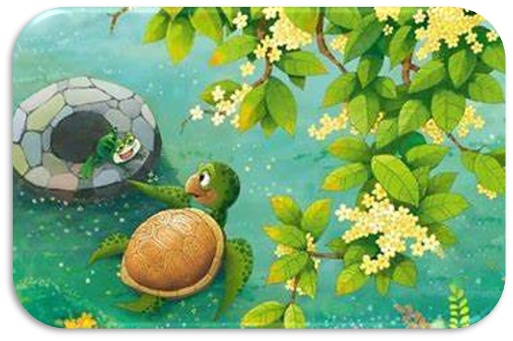
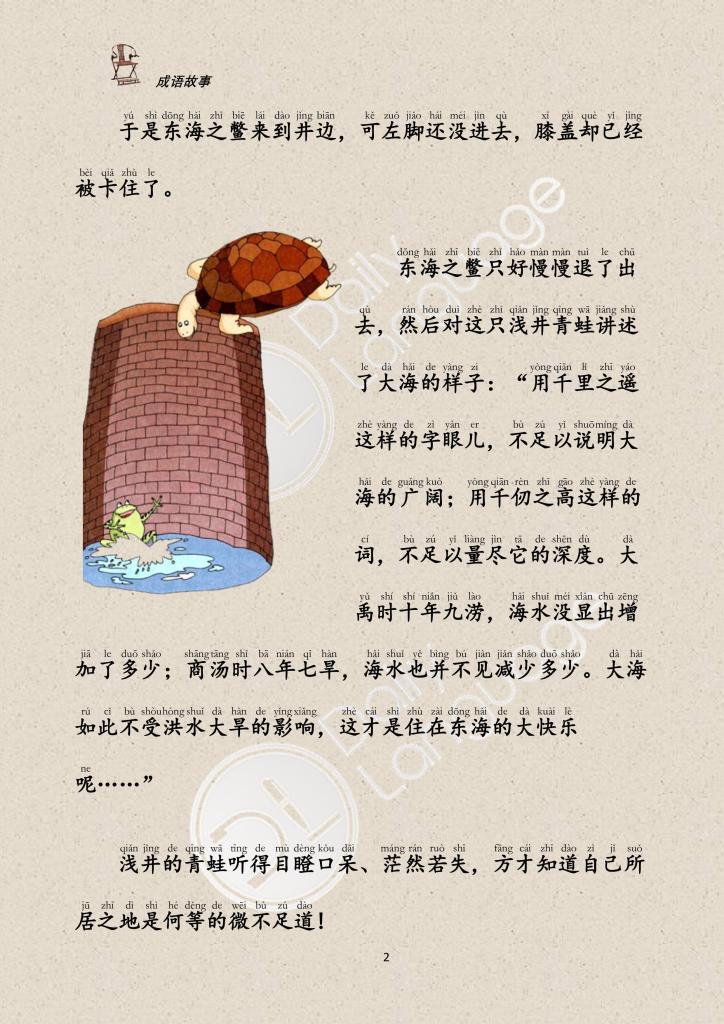
Have you not heard of the frog that lived in a shallow well? It said to a turtle that lived in the East Sea, “I am so happy! When I go out, I jump about on the railing beside the mouth of the well. When I come home, I rest in the holes on the broken wall of the well. If I jump into the water, it comes up to my armpits and holds up my cheeks. If I walk in the mud, it covers up my feet. I look around at the wriggly worms, crabs and tadpoles, and none of them can compare with me. Moreover, I am lord of this trough of water and I stand up tall in this shallow well. My happiness is full. My dear sir, why don’t you come often and look around my place?”

Before the turtle from the East Sea could get its left foot in the well, its right knee got stuck. It hesitated and retreated. The turtle told the frog about the East Sea.

“Even a distance of a thousand li cannot give you an idea of the sea’s width; even a height of a thousand ren cannot give you an idea of its depth. In the time of King Yu of the Xia dynasty, there were floods nine years out of ten, but the waters in the sea did not increase. ln the time of King Tang of the Shang dynasty there were droughts seven years out of eight, but the waters in the sea did not decrease. The sea does not change along with the passage of time and its level does not rise or fall according to the amount of rain that falls. The greatest happiness is to live in the East Sea.”

After listening to these words, the frog of the shallow well was shocked into realization of his own insignificance and became very ill at ease.

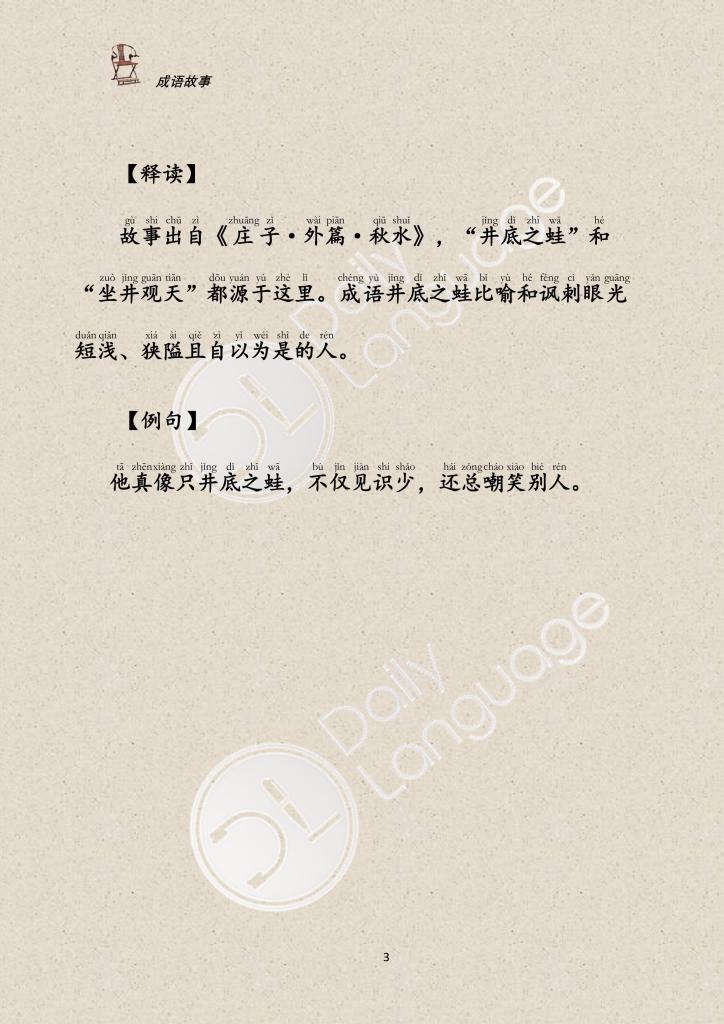
井底之蛙

jǐng dǐ zhī wā,指井底的青蛙认为天只有井口那么大。比喻那些见识短浅的人。

出自《庄子·秋水》:“井蛙不可以语于海者,拘于虚也。”

例句

我们应该用知识来充实自己,否则就会成为井底之蛙

一个没有经风雨,见世面的人,就似井底之蛙一样。

这个人见识短浅,只不过是个井底之蛙罢了。

Reading The Paragraphs!

Meaning of Words


词语华文解释英文解释
兴致勃勃形容兴趣浓厚、情绪高涨的样子。
例句:上学的路上,同学们兴致勃勃地谈论昨晚那场足球赛。
in spirits
千里之遥指如同几千里之外那么遥远,比喻非常远。
例句:一听说祖母生病,她不顾千里之遥,专程前往探望。
A thousand miles away
千仞(rèn)之高古以八尺为仞,千仞之高,意思是形容极高或极深。
例句:这座山峰奇险陡峭,有千仞之高,想要攀登非常困难。
A thousand highs
目瞪口呆形容因吃惊或害怕而发愣、发傻的样子。
例句:他惊得目瞪口呆,嘴巴大张,简直可以丢个汤团进去。
slack-jawed
茫然若失形容心中茫茫然然,像失去了什么。
例句:瞧他茫然若失的样子,不知发生了什么事。
vacuity
微不足道意思是指意义、价值等小得不值得一提。
例句:在广阔无垠(yín)的已知宇宙中,地球这颗行星是微不足道的。
insignificant

成语——邯郸学步

Meaning of the Idiom

han dan xue bu

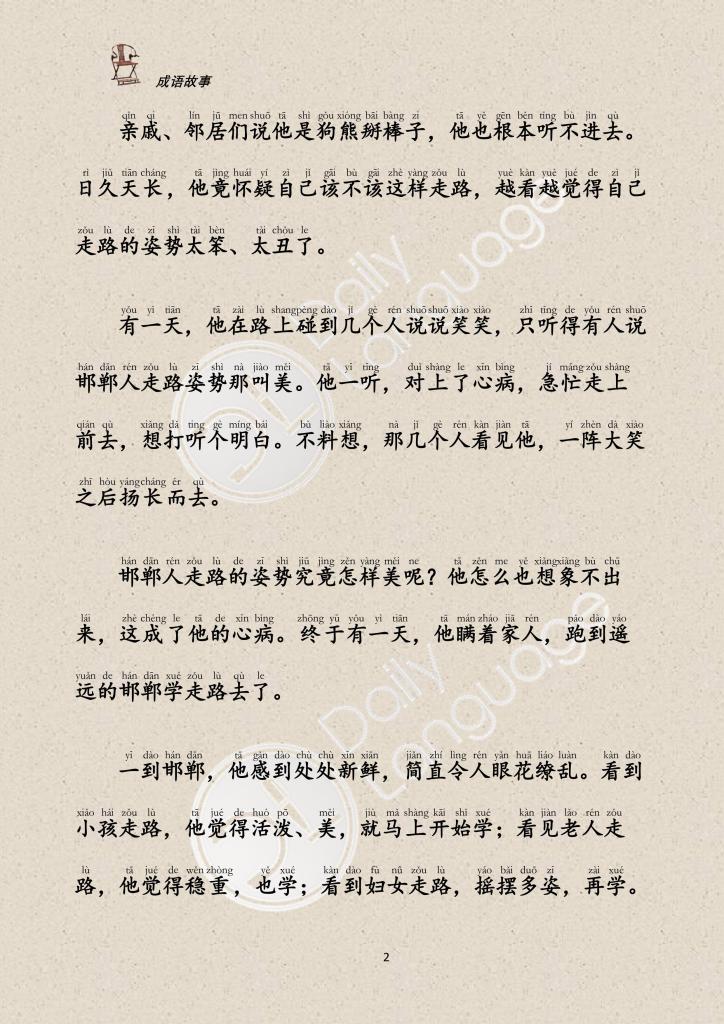
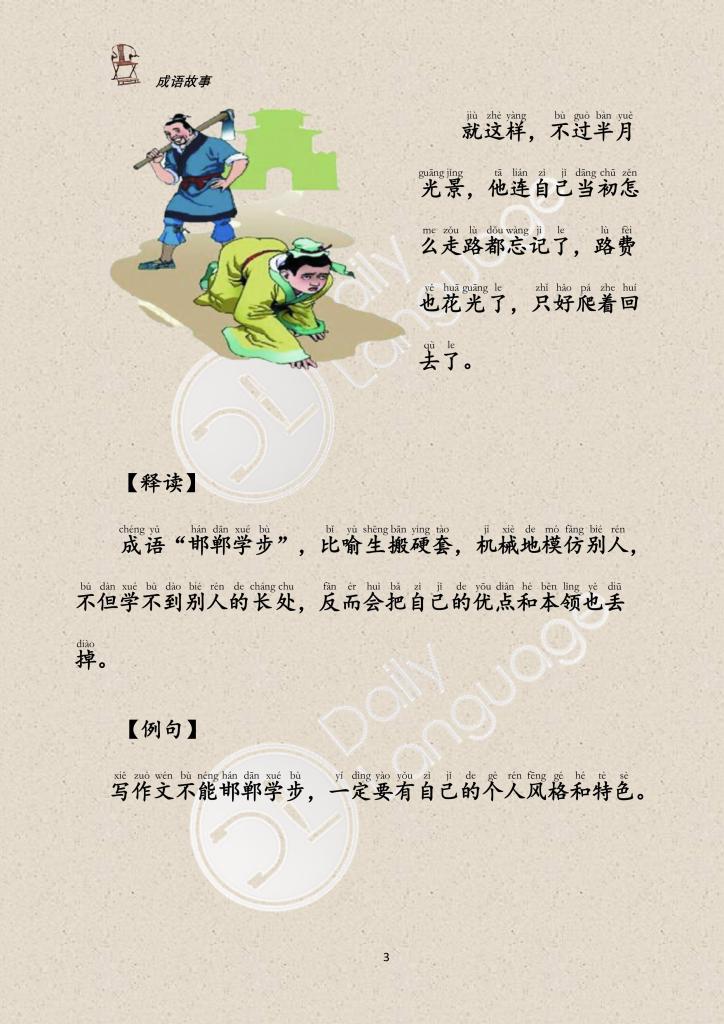
During the Warring States Period (475 – 221 BC), a young man from the State of Yan heard that in Handan, the capital of the State of Zhao, people’s walking posture was graceful and elegant.

The young man wanted to make his walking posture look better, so he decided to learn from the Handanners without telling his family. Then, he traveled a long way to Handan, where first he saw a young man walking towards him. After allowing him pass, the young man from Yan soon followed behind him, imitating his strides. When the young man of Handan took a step with his left foot, he took a step with his left foot. He then saw a middle-aged man and thought his posture attractive, too, so he followed and imitated him as well. After that, he imitated a woman’s walking style. But however he tried, he just couldn’t walk the way the Handanners did.

After a few months of learning, the young man had spent all the money he had brought. To make things worse, when he decided to give up and went home, he found he had forgotten his own way of walking. In the end, the young man had no choice but to crawl all the way back home.

邯郸学步

hán dān xué bù,比喻一味地模仿别人,不仅没学到本事,反而把原来的本事也丢了。

出自《庄子·秋水》。

例句

不管学什么,都不能邯郸学步,生搬硬套。

晓明写得一手好字,可他总觉得自己还有不足,就邯郸学步,一会儿模仿楷书、一会儿模仿仿宋,一会儿模仿隶书,结果最后写出来的字成了个“四不像”。

练习写作文不能对照范文邯郸学步,要有自己的特色。

Reading The Paragraphs!

Meaning of Words


词语华文解释英文解释
低人一等意思是比别人低一级,多指社会地位低下。
例句:印度的种姓制度影响深远,低种姓的族裔无论在社会地位、婚配甚至教育等各个方面都低人一等
inferior
花样翻新意思是指独出心裁,创造新花样。
例句:他的雕塑作品年年花样翻新,层出不穷。
retrofitted
狗熊掰棒子源自一个民间谚语,意思是掰一个丢一个,用来比喻我们不要只顾着追求自己没有的东西而丢弃自己手中已有的,最后,得到的只会更少。
例句:如果这个品牌不能通过服务很好地留住客源,那么它不过是“狗熊掰棒子”,无法促成自身的长远发展。
The greedy dog bear is picking up a stick and lost his own stick.
日久天长意思是时间长,日子久。
例句:学习外语没有什么诀窍,只有靠日久天长地积累。
in (the) course of time
扬长而去指大模大样地径直离去。
例句:吃完饭他钱也不付就扬长而去了。
to stalk off
眼花缭乱意思是眼睛看见复杂纷繁的东西而感到迷乱。也比喻事物复杂,无法辨清。
例句:夜晚,马路两旁的霓虹灯闪闪烁烁,令人眼花缭乱
see things in a blur; be dazzled
生搬硬套意思是指不顾实际情况,机械地运用别人的经验,照抄别人的办法。
例句:学习不是生搬硬套,生活中的语言也不能原封不动地运用,需要提炼。 
apply mechanically

成语——一鼓作气

Meaning of the Idiom

yi gu zuo qi

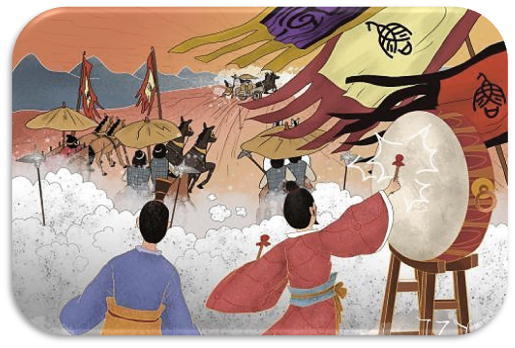
During the Spring and Autumn Period (770-476BC) , the State of Qi launched an attack against the State of Lu.

Qi was much stronger than Lu. The King of Lu led the army by himself. The two parties met at a place named Chang Shao.

When the King of Lu prepared to start the offensive, Cao Gui, his general, stopped him and said: “Wait a moment! The time has not come.” Then they came to a high stage to observe the battle formation of the Qi’s army. At this time, they heard the sounds of drumming and saw the Qi’s army charging head-on. The King of Lu wanted to rebut the charge but Cao Gui stopped him again. After a while, the Qi’s charged for the second time. But the Lu’s took no action. The Qi soldiers’ morale lowered after two vain attempts. After the third vain advance attack, the morale greatly declined. The soldiers were so tired that they sat down to rest. “Now, our chance has come!” said the general. Then the Lu’s army attacked the enemy bravely. The Qi army fled helter-skelter. At last the Lu has won the battle.

Originally, the idiom means “The fighting strength in the first drums is the highest.” Later, it has been used to say “to press on to the finish without letup”.

一鼓作气

yī gǔ zuò qì,比喻趁劲头大的时候鼓起干劲,一口气把工作做完。

出自《左传·庄公十年》。

例句

大家一鼓作气,很快就把剩余的工作全部做完了。

同学们!且让我们一鼓作气攻上山顶。

做这种事就要一鼓作气,拖三阻四,难有成就。

Reading The Paragraphs!

Meaning of Words


词语华文解释英文解释
率兵指带领、统领士兵。
例句:刘邦听从了萧何的计策,立即率兵从褒斜道进入汉中,并烧了栈道。
lead troops
决一死战 意思是同敌人作一次你死我活的战斗。
例句:十字军和土耳其帝国的战士们都汇聚在耶路撒冷城下,似乎准备为他们的宗教矛盾决一死战
burn one’s boats
先声夺人 意思是指先张扬自己的声势以压倒对方;也比喻做事抢先一步。
例句:他初次参加今年的拳击比赛就先声夺人,以15场全胜的记录遥遥领先。
to forestall one’s opponent by a show of strength
应战意思为与前来进犯的敌人作战;或接受对方的挑战条件。
例句:面对敌兵的突然进攻,将军只好仓促应战
face a challenge face an attack and meet it. 
时机意思是具有时间性的客观条件,即机会。
例句:他敏锐的发现政策开始转向,现在不是资金投入最有利的时机
opportunity
按兵不动意思是使军队暂不行动。现也比喻暂不开展工作。
例句:我们所需要做的是按兵不动,看看他们采取什么步骤。
to halt the troops and wait
挑衅(xìn)指借端生事,企图引起冲突或战争。
例句:对于他的挑衅,我毫不示弱、积极应对。
provoke
当机立断 意思是在紧要时刻立即做出决断。
例句:船长一看漏水无法堵住,当机立断地宣布弃船。
make a prompt decision
摩拳擦掌 意思是形容战斗或劳动之前,人们精神振奋、跃跃欲试的样子。
例句:马上就要上场了,队员们个个摩拳擦掌,准备来一场空前的战斗。
rub one’s fists and wipe one’s palms — to be eager for a fight
奋勇释义为鼓起勇气。
例句:只有不畏艰险、奋勇攀登的人,才有希望达到光辉的顶点。
courageously
士气大减士气是维持意志行为的具有积极主动性的动机,外在表现为勇气、耐心等心理状态,士气大减是指士气急剧减少。
例句:这次战役的失利使法军士气大减,拿破仑决定暂缓进攻。
discouraged
猝(cù)不及防 形容事情来得突然,来不及防备。
例句:妻子的意外事故让他猝不及防,全部生活都被打乱。
be taken by surprise
溃不成军 意思是被打得零七八落,不成队伍;形容惨败。
例句:敌人被我们打得溃不成军
retreat
松懈(xiè)意思是放松懈怠。
例句:虽然老板没来办公,大家可是也并不敢松懈一点。
loose 

成语——画蛇添足

Meaning of the Idiom

hua she tian zu(To draw a snake and add feet to it)

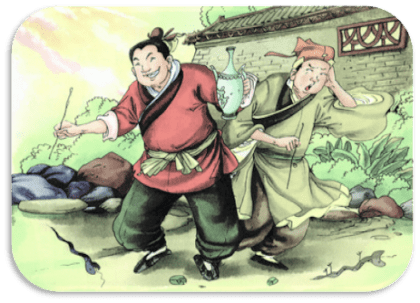
A native of Chu after worshiping his ancestors gave his retainers a pot of wine.

One of the retainers said: “It’s insufficient for all of us, but too much for one of us. I suggest, therefore, that we draw snakes on the ground, and the one who first finishes drawing the snake will win the pot of wine.”

When one retainer had completed his drawing, he took the pot to drink. As he held it in his left hand, he continued to draw the snake with his right hand, saying: “I can add feet to it.”

While he was adding feet to his snake, another man who had then drawn his snake snatched the pot from his hand, protesting: “No snake has feet. How can you add feet to it?” Then he drank the wine.

The man who added feet to the snake lost his prize at last.

Meaning is to ruin the effect by adding something superfluous.

画蛇添足

huà shé tiān zú,意思是画蛇时给蛇添上脚,后比喻一个人做了一件事,不但无益,反而不合适,也比喻虚构事实,无中生有,多此一举。

出自《战国策·齐策二》。

例句

他想接上去说,又觉得是画蛇添足,只好惋惜地坐着没动。

这让我明白了一个道理,做事情要适可而止,不能画蛇添足

这事就说到此为止,你别再画蛇添足了。

Reading The Paragraphs!

Meaning of Words


 词语华文解释英文解释
祭祖 指祭祀先祖,是一项隆重的民俗活动。
例句:清明祭祖扫墓,是汉族敦(dūn)亲睦(mù)族、行孝报德的具体表现,清明节因此也成为全球华人的重要节日之一。
ancestor worship
祭祀 是中国的一种信仰活动,一般祭天地或祖先。
例句:他们家非常尊重传统,每年都会举办仪式祭祀祖先。
worship
显而易见 意思是事情或道理很明显,极容易看清。
例句:这个道理显而易见,谁都能弄明白。
easily visible
过瘾 指满足某种特别深的嗜好,泛指满足爱好。
例句:这段京剧唱腔优美,听起来真过瘾
enjoyable
洋洋得意 形容得意时神气十足的神态。
例句:一个学生应该保持谦虚的心态,不能因为一次考试得到第一就洋洋得意
triumphantly
自作聪明 意思是自以为聪明而乱作主张。指过高地估计自己、主观地办事。
例句:要不是他自作聪明,怎么会闹出这样的笑话来?
smart
无中生有 意思是把没有的说成有。比喻毫无事实、凭空捏造。
例句:对于这种无中生有的小道消息,小李没有理会,而是全身心的投入到工作中。
fabricated

成语——鹬蚌相争

Meaning of the Idiom

yu bang xiang zheng

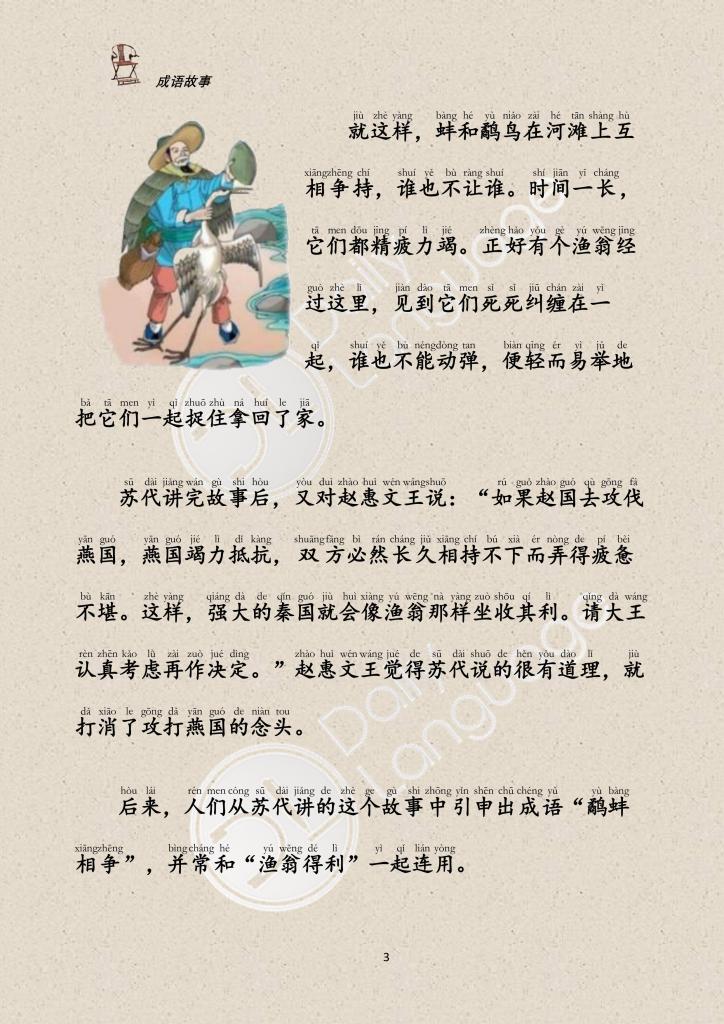
The Zhao State was taking up arms against the Yan State, and Su Dai (a military strategist during the Warring States period, and little brother to Su Qin of the School of Diplomacy) traveled to speak with King HuiWen of Zhao on behalf of the Yan State, and he told the following fable:

“When I was coming here I passed over some gentle water, and by chance I happened to see a clam sunning itself. A sandpiper seized the opportunity to peck at the clam’s meat, but the clam slammed the two wings of its hard shell shut on the sandpiper’s beak. The sandpiper said, ‘Today it won’t rain, tomorrow it won’t rain, and there will be one dead clam!’ The clam gave as good as he got, saying: ‘I won’t come out today, I won’t come out tomorrow (so your beak won’t be free), and there will be one dead sandpiper!’

Neither party was willing to give up, and at this time, a fisherman scooped them both up and carried them off.

If Yan and Zhao oppose each other, we’ll both fight ourselves weary. I’m afraid the strong Qin State is playing the role of the fisherman, so I hope that your majesty will carefully deliberate on this matter.”

鹬蚌相争

yù bàng xiāng zhēng,意思是比喻双方相持不下,而使第三者从中得利。是“鹬蚌相争,渔翁得利”的省语。

出自西汉·刘向《战国策·燕策》。

例句

为了一点点恩怨、矛盾而互相争斗,必定会做出鹬蚌相争的蠢事来。

由于他们两人不肯合作,鹬蚌相争,结果把大好机会白白地送给对手。

鹬蚌相争的结果,必然两败俱伤,与其让人坐收渔利,我们还是各退一步吧!

Reading The Paragraphs!

Meaning of Words


 词语华文解释英文解释
侵略 意思指未经许可而进入的某个领域、区域的行为。
例句:天花病毒就是随着西班牙人对印第安人的侵略战争被带到了美洲大陆。
invade
互有摩擦 指相互间有争执和分歧。
例句:他和邻居的关系非常不融洽,这几个月来一直互有摩擦
fight between two part
游说(shuì) 指某人陈述自己的建议、主张,并希望被采纳和实施。
例句:孔子周游列国,游说各国国君接纳自己的政治主张。
lobby; go canvassing
说客(shuō kè;旧读shuì kè) 意思是劝说别人接受某种主张的人(今多含贬义)、替别人游说的人。
例句:某些国家官僚腐败,经常有利益集团的说客用贿金拉拢政府官员。
lobbyists
明知故问 意思是明明知道了,还故意问人家。
例句:看着小丽从餐厅走出来,却问人家吃饭了吗,小文这不是明知故问吗?
ask while knowing the answer
威胁 意思是用武力、权势胁迫。
例句:这个少年经常霸凌低年级的学生,还威胁他们不许告诉老师和家长。
threat
毫不示弱 指一点也不表现出软弱的样子来。表示态度强硬 ,在某些事情上不甘落后,不服输。
例句:对于他的挑衅,我毫不示弱,积极应对。
not taking something lying down
回敬 意思是指回报;原指主人向客人敬酒后客人为表达感谢向主人敬酒。后也有给以反击的意思。
例句:那几个淘气男孩用雪球向我们乱扔,我们也用雪球狠狠的回敬他们。
return a compliment
争持 意思是争斗、争执而不相让。
例句:对于这个有争议的进球,两方的球迷争持不下。
contend for hold; refuse to give in
精疲力竭(jié) 意思是精神、力气消耗殆尽,形容极度疲劳、不想动的样子。
例句:妈妈工作了一天,精疲力竭地回到了家。
played out
轻而易举 形容事情容易做,不费力,省事。
例句:事情并不象小林想的那样轻而易举
be an easy job to
竭力 指尽自己最大的努力,尽心竭力,用尽全力。
例句:为了稳定绑匪的情绪,他竭力使自己镇静下来。
pour it on; do one’s best
相持不下 意思是双方对立,彼此相持,不肯让步。
例句:两个团队都坚持自己的方案,彼此相持不下
deadlock
疲惫不堪 意思指疲惫,形容极度疲乏过度劳累。
例句:一整天都在外面奔波,直到太阳落山他才拖着疲惫不堪的身体回到家中。
whacked
坐收其利 意思是比喻利用别人的矛盾而从中获利。
例句:自从这一天然美景被发现以来,海岸沿线的旅游商家就坐收其利、日进斗金。
profit from others’ conflict
打消 指消除、取消。
例句:由于弄清了事实才终于打消了他的疑虑。
give up; dispel
两败俱伤 意为斗争双方都受到损伤,谁也没得到好处。
例句:两人为了一点小事,就大打出手,最后弄得个两败俱伤
cause destruction to both sides
引申 意思是由一件事或意义而引发的其他的事或意义。
例句:后来人们根据这个故事引申出刻舟求剑这句成语,比喻人们做事情要从客观实际出发,注意事物的发展变化。
extend the meaning of a word

成语——叶公好龙

Meaning of the Idiom

ye gong hao long

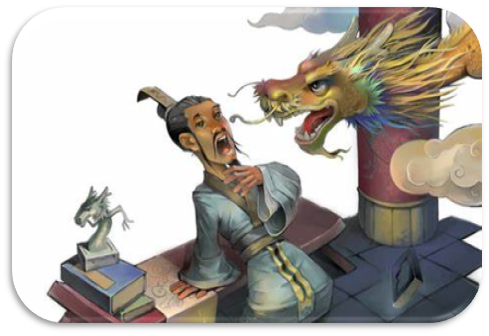
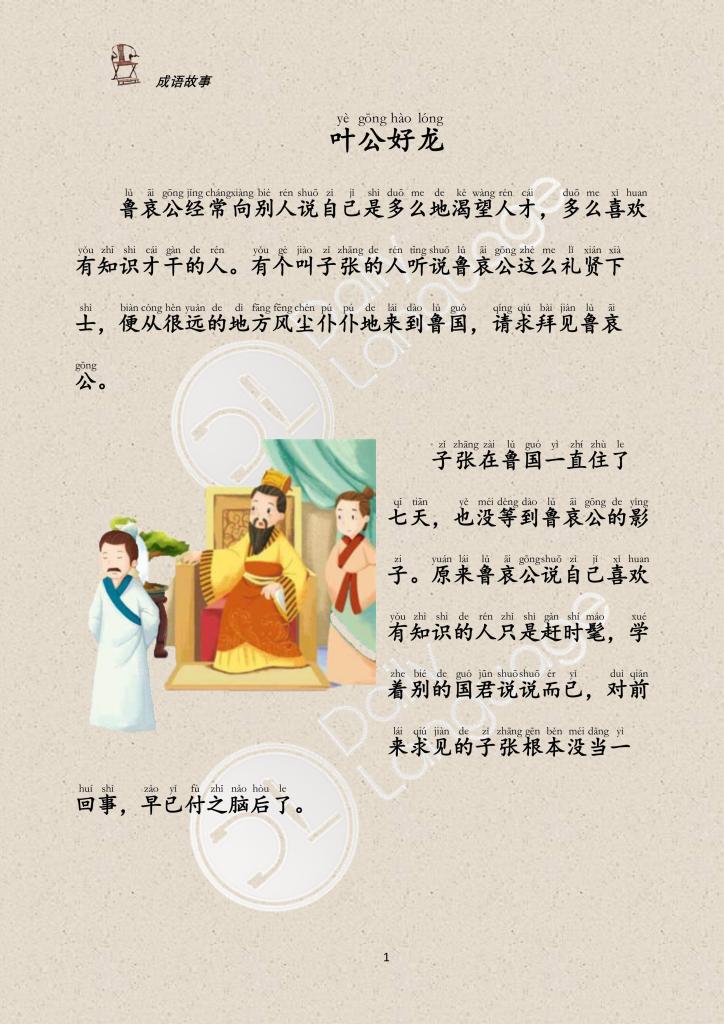
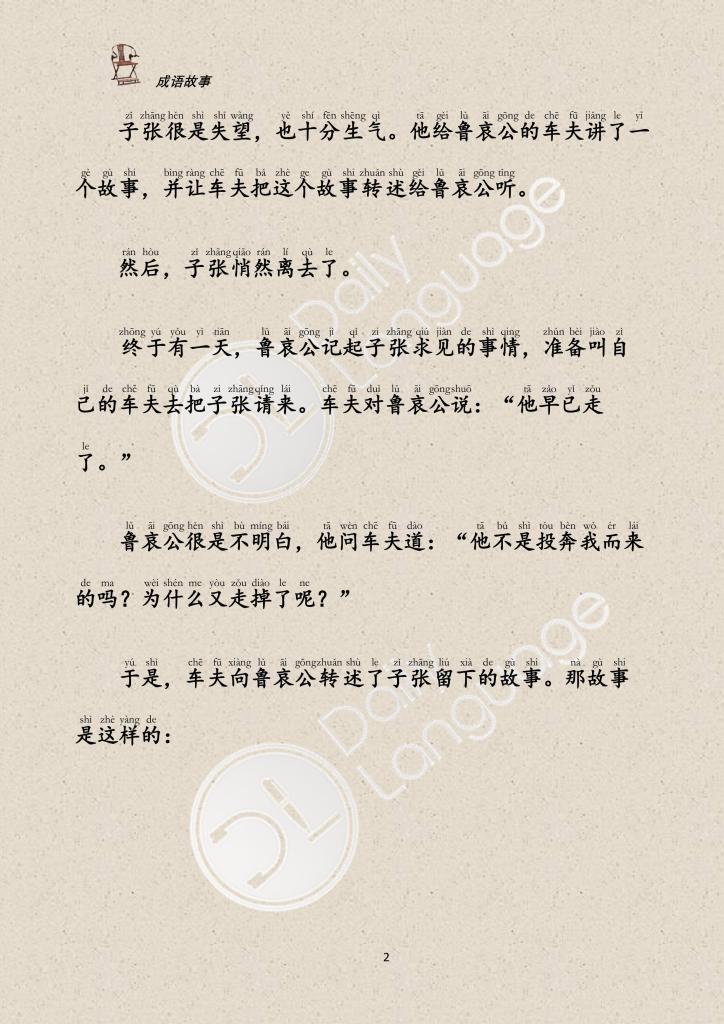
Ye Gong was well-known for his fondness for dragons:

In the house where he lived, dragons were painted on the walls and carved on the pillars and the four walls of his bedroom. There were dragons everywhere, up and down, front and back, with each dragon baring its teeth and brandishing its claws.

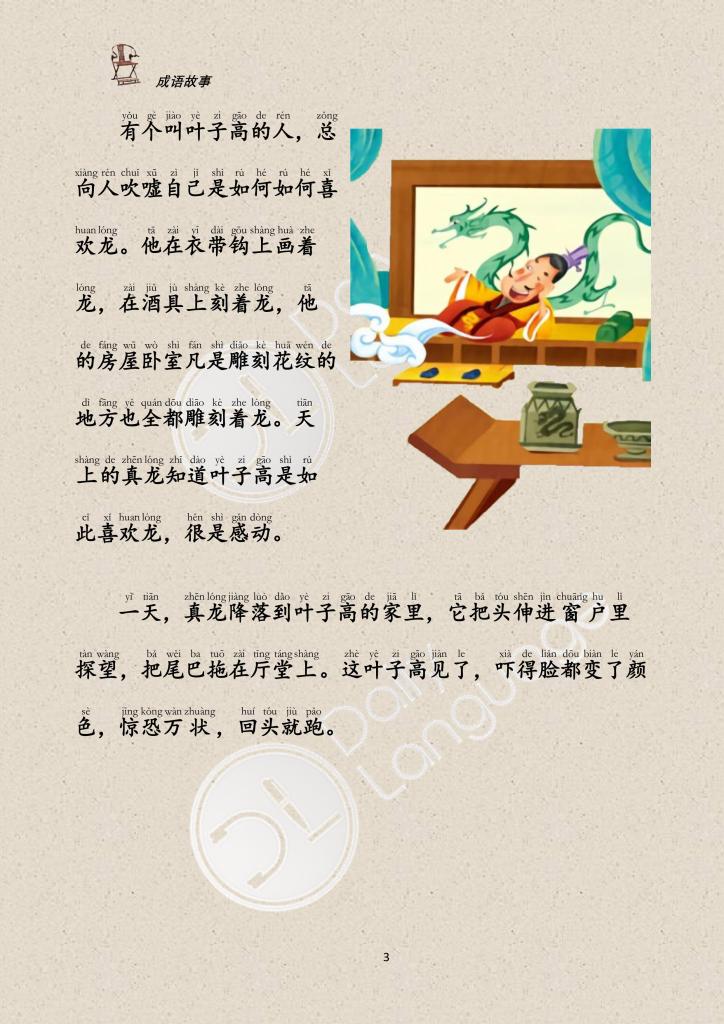
In the heavens there was a real dragon. It was very happy to hear that Ye Gong was so fond of dragons.

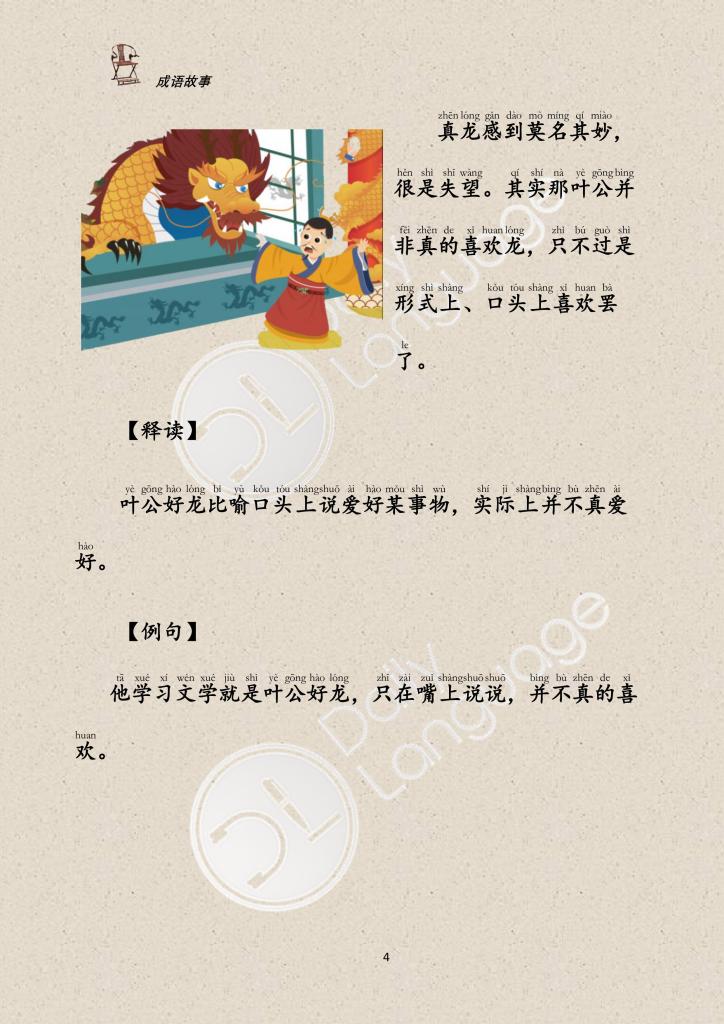
One day, the sky suddenly darkened, and then came wind, thunder and rain. The real dragon flew to Ye Gong’s home. It poked its head into the window in the south and coiled its tail to the window in the north, rocking and rattling the whole house.

At the sight of this real dragon, Ye Gong was frightened out of his wits. He trembled all over and hurriedly hid himself.

So it turned out that what Ye Gong liked was painted and carved fake dragons but not real ones.

Meaning is professed love of what one actually fears.

叶公好龙

yè gōng hào lóng。 (叶,现读yè,旧读shè),比喻口头上说爱好某事物,实际上并不真爱好。

出自《新序·杂事五》。

例句

他学习文学就是叶公好龙,只在嘴上说说,并不真的喜欢。

喜爱一件事不能只是叶公好龙,要真正付出自己的汗水与努力。

口头上喊着发扬民主,真正看到民众行使民主权利时,他又畏缩退让起来,这和叶公好龙有什么两样呢?

Reading The Paragraphs!

Meaning of Words


 词语华文解释英文解释
礼贤下士意思是指对贤者以礼相待;或者对学者非常尊敬。
例句:战国四公子礼贤下士、广纳人才,后来都有不俗的作为。
honour worthy men of letters
风尘仆仆(pú pú)形容旅途奔波,忙碌劳累。风尘:指行旅,含有辛苦之意;仆仆:行路劳累的样子。
例句:为了参加国庆庆典,许多侨民风尘仆仆地从国外赶回。。
after long trip, dusty hike
拜见拜访会见,一般指会见地位高或辈分高的人。
例句:日本首相当选之后,首先要拜见天皇。
pay a formal visit
时髦(máo)指流行的样式或行为模式。
例句:追求洛可可式的繁复华丽的装饰,成为当时欧洲一种时髦的生活方式。
vogue
付之脑后意思是放在一边不再想起。
例句:你不能把长辈的忠告付之脑后
cast something behind one’s back
投奔是指前往依靠别人或落脚依靠的人或地方。
例句:庞培的部下纷纷叛离,急忙投奔恺撒的部队。
go to
转述意思是指把别人说的话说给另外的人。
例句:不要向别人转述我告诉你的事,这可是需要保密的。
report
吹嘘(xū)意为夸张地宣扬或编造优点、长处;或为对人和事过分吹捧。
例句:这辆轿车并不像销售商所吹嘘的那样好。
crack up; oversell
惊恐万状意思是形容害怕到了极点。
例句:突然两声枪响,树林中立刻飞起一大群乌鸦,惊恐万状地向南飞去。
to be afraid or very worried
莫名其妙指说不出其中的奥妙,表示发生的事情很奇怪,解释不出道理来。
例句:他今天说话语无伦次的,我感到有点儿莫名其妙
baffling; inexplicable

成语——螳螂捕蝉

Meaning of the Idiom

tang lang bu chan

A praying mantis catches a cricket, unaware of the oriole behind

Once,the King of State of Wu wanted to invade the State of Chu.

The King of Wu warned his ministers:

“If anyone should dare to dissuade me from invading Chu again, I will put him to death.”

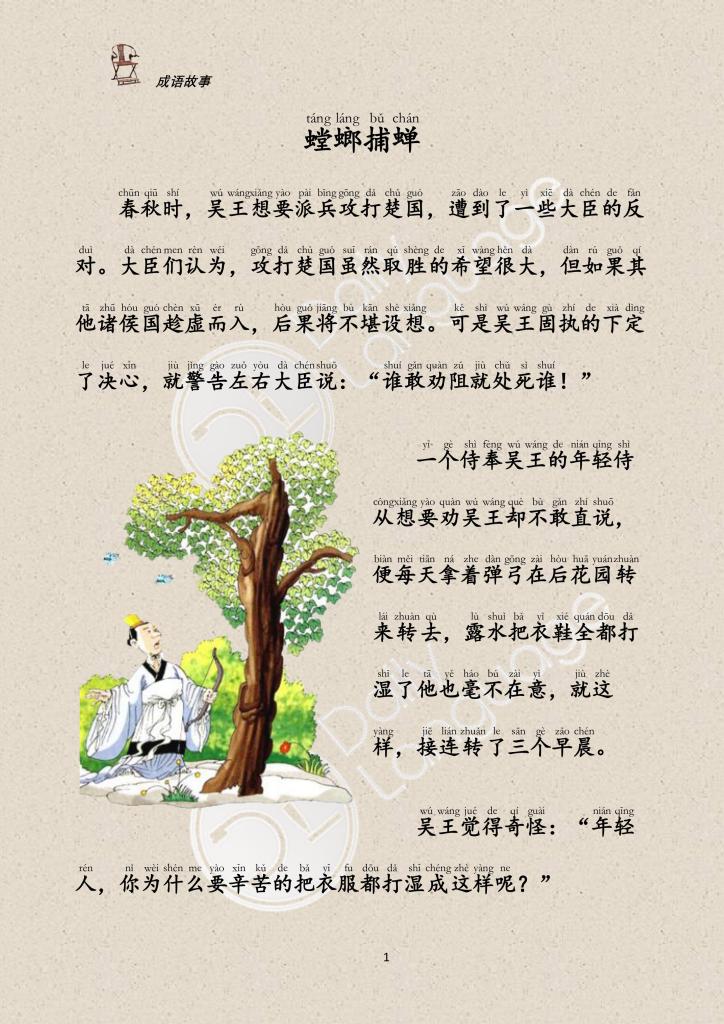
One young hanger-on of his wanted to dissuade him but didn’t dare. He carried a slingshot, and three consecutive days paced up and down in the Kings back garden. The dew wetted his clothes all through.

One day, the King of Wu called him:

“The dew has wetted your clothes to such a state. Why should you bear such hardship?”

The young man replied:

“There is a cicada on a tree in this garden. The cicada is high above, chirping leisurely and taking in the dew freely, not knowing that a mantis is right behind it. The mantis, pressing its body close in a concealed place, is intent on catching the cicada, not knowing that a siskin is hiding right behind it. The siskin is stretching out its neck to peck at the mantis, not knowing that a man carrying a slingshot is under it. These three small creatures make every effort only to get the benefit before them but ignore entirely the disaster behind.

Having heard the young mans words, the King of Wu suddenly saw the light and said:

“What you said is right!”

Consequently, the King of Wu dropped his plan to invade the State of Chu.

螳螂捕蝉

táng láng bǔ chán,指人目光短浅,没有远见,只顾追求眼前的利益。

出自《说苑·正谏》。

例句

他一心想占小贩的便宜,却不知道后面一个小偷正在盯着他,真是所谓螳螂捕蝉,黄雀在后啊!

做人如果太过短视近利,瞻前不顾后,就会像螳螂捕蝉一样,招来其他的祸患。

周瑜又惊又怒,没想到自己算计半天,却是螳螂捕蝉,黄雀在后,辛苦了一场,却让诸葛亮用计夺了荆州。

Reading The Paragraphs!

Meaning of Words


 词语华文解释英文解释
趁虚而入意思是趁力量虚弱时侵入。
例句:当免疫力下降时,很多疾病就会趁虚而入,让人开始生病。
swoop in
不堪设想指对即将要发生的事不敢想象,指预料事情会发展到很坏的地步。
例句:要不是这位司机及时把车停住,那个乱穿马路的小孩的结果真是不堪设想
be unbearable to contemplate
固执本指坚持不懈,后多指坚持成见。
例句:即使大家都来劝说,那位固执的老人还是不愿意搬离年久失修的农舍。
stubborn
侍奉意思是指对长辈伺候奉养、服侍;或虔诚地致力于信仰。
例句:阿加莎修女致力于帮助贫穷的儿童,以这种方式来侍奉上帝!
attend upon; wait upon
毫不在意意思是丝毫不在乎或不介意。
例句:对于别人的负面评价他显得毫不在意,只专注于自己的研究。
not to mind
祸患意思是灾祸;祸害。
例句:这个违禁品留着终是祸患,不如找专业机构处理掉更好。
evil; disaster; calamity
恍然大悟意思是对某一事物突然明白、突然醒悟。
例句:合唱结束后,学生们突然拉出一条横幅,舞台下的老师才恍然大悟,横幅上写着:老师辛苦了。
see light suddenly

成语——掩耳盗铃

Meaning of the Idiom

yan er dao ling

Covering One’s Ears to Steal a Bell

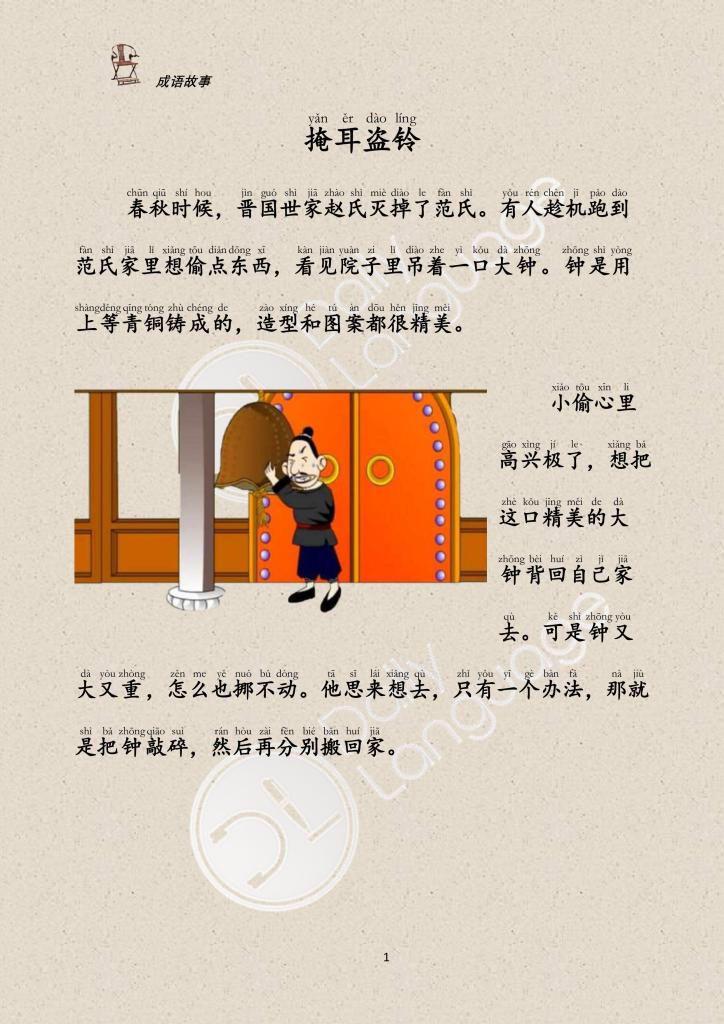
Once upon a time, a man saw a doorbell hanging from someone’s door and wanted to steal it.

But he knew that if he were to steal the bell, it would start ringing the moment his hand touched it. If he were discovered, not only he couldn’t get the bell, but he himself might also be caught.

He thought this over and said to himself:

“Why will there be trouble when a bell rings? This is because our ears can hear it. If I cover my ears, I won’t be able to hear it. This way I won’t be caught.”

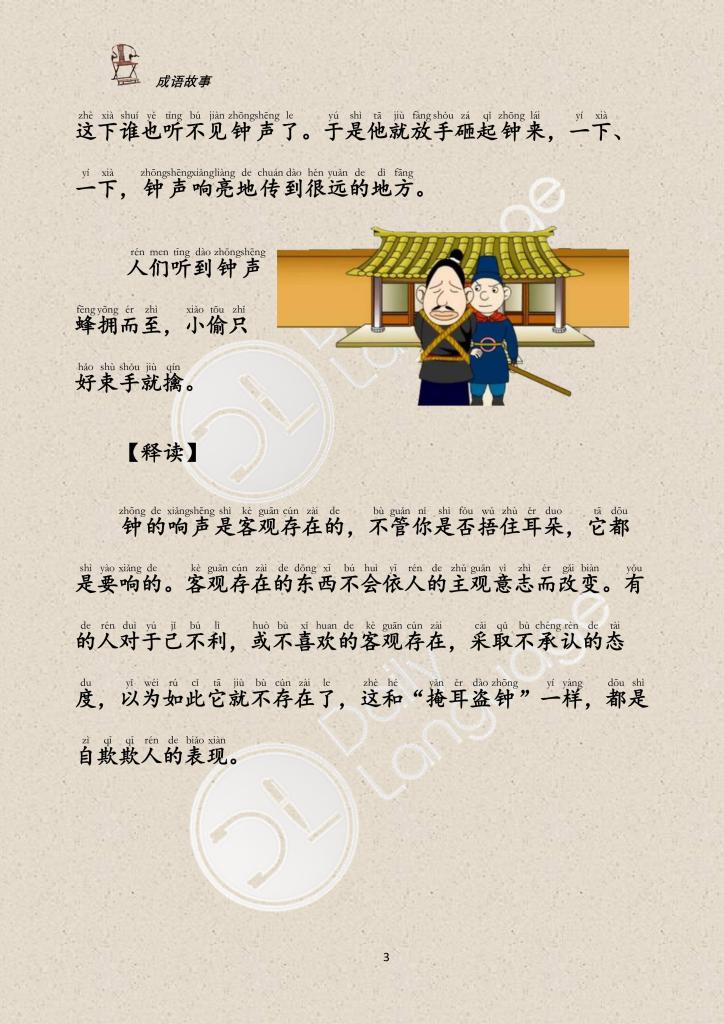
Later, he eventually got an idea. He first covered his own ears, then went on to steal the bell. However, in the end he was still discovered and caught red-handed.

Later, people have used the set phrase “plugging one’s ears while stealing a bell” to refer to the ignorance and foolishness of the person who deceives himself as well as others.

掩耳盗铃

yǎn ěr dào líng,意思是偷铃铛怕别人听见而捂住自己的耳朵。比喻自己欺骗自己,明明掩盖不住的事情偏要想法子掩盖。

出自《吕氏春秋·自知》。

例句

如果不去努力,只会用谎言自欺,就是掩耳盗铃

别以为自己聪明,可以掩饰所做的坏事,其实是掩耳盗铃,自欺欺人。

你女朋友站在背后痴痴地笑,说你这叫掩耳盗铃

Reading The Paragraphs!

Meaning of Words


 词语华文解释英文解释
思来想去指在多方面想了又想。
例句:他思来想去,还是觉得无法为自己的失误找到合适的借口。
think about
卯(mǎo)足了劲卯 ,也作“铆”。表示集中(全部力量)。
例句:经过整个假期的训练,球员都卯足了劲准备在赛场上一较高下。
accumulate strength for a take-off
手足无措(cuò)形容举动慌张或无法应付。
例句:面对警探的突然提问,嫌疑人一时间只觉的口舌打颤竟而说不出话来,直急得手足无措
to have no idea what to do with one’s hands and feet
身不由己意为身体不能由自己做主。指行为不能由自己支配。
例句:看书入了迷,他常常身不由己地站起来踱步,拍手叫好!
involuntarily
顺势指趁势;趁机会;顺着某种情势;顺应形势。
例句:他忽然把酒杯往桌上一放,顺势拍了一下桌面。
take advantage
不由自主意思是由不得自己,控制不住自己。
例句:公车在崎岖的山路上颠簸的厉害,乘客们都不由自主地跟着摇晃着身体。
beside oneself
茅塞(máo sè)顿开意思为心里好像有茅草堵塞着,现在忽然被打开了。现在形容闭塞的思路,由于得到了某种事物的启发,忽然想通了。
例句:文新翻看了一些过去的笔记,忽然感觉茅塞顿开,立刻有了解题思路。
become enlightened at once
蜂拥而至意思是像一窝蜂似地拥来,形容很多人乱哄哄地朝一个地方聚拢。
例句:特价广告发布后几小时,就有数百消费者蜂拥而至,商场门前立刻排起了长队。
swarming
束(shù)手就擒意思是捆起手来让人捉住。指毫不抵抗,乖乖地让人捉住。
例句:眼看警察已经团团围住了银行,抢劫犯只好束手就擒
allow oneself to be seized without putting up a fight

成语——胸有成竹

Meaning of the Idiom

xiong you cheng zhu

In the song Dynasty (960-1279), there was a scholar whose name was Wen Tong and who styled himself Yuke. He was not only admired by others for his great learning, but also enjoyed widespread renown for his bamboo drawing. Every day there were always quite a few people who called at his house to ask for one of his bamboo drawings.

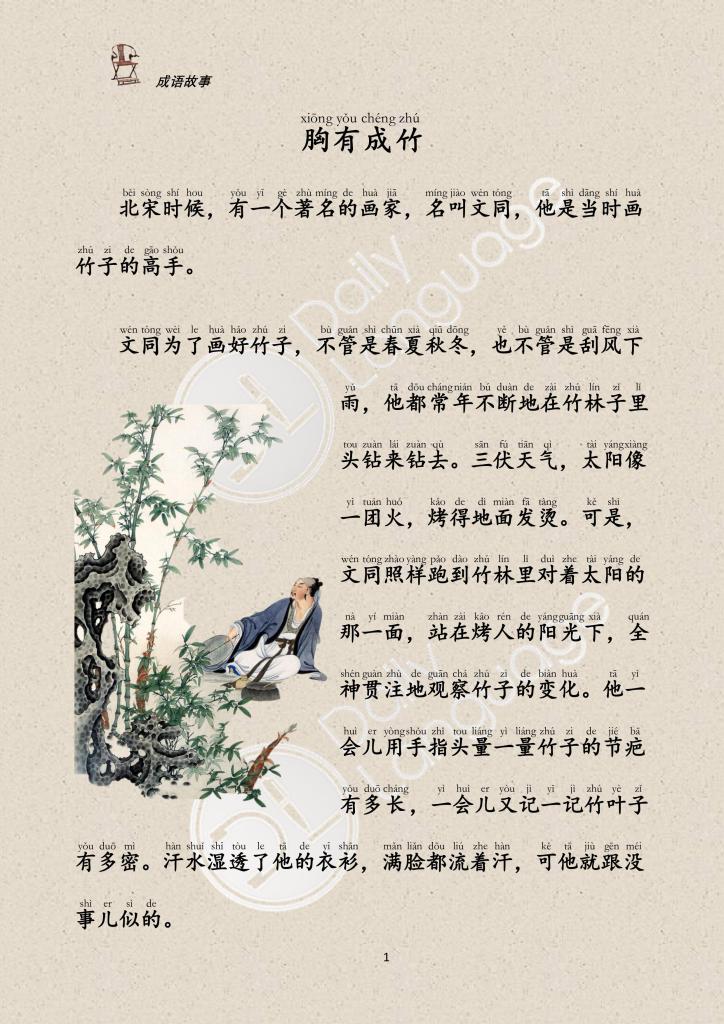
Actually, Wen Tong loved bamboos so much that he had grown various bamboos everywhere around his house. No matter what season it was and no matter whether it was sunny or rainy, he used to go to the bamboo forest to observe how they were growing. He pondered over the length and breadth of the bamboo poles as well as the shapes and colours of the leaves. Whenever he had gained a new understanding, he went back to his study, spread a piece of paper and prepared some ink by rubbing an ink stick on an ink slab, and drew what was in his mind on the paper. Through accumulation over a long period of time, the images of the bamboo in different seasons, under different weather conditions and at different moments were deeply imprinted in his mind. So whenever he stood before the paper and picked up a painting brush with concentrated attention, the various forms of the bamboo which he had observed at ordinary times at once rose before his eyes. And so every time he was drawing bamboos he appeared confident and at ease, and all the bamboos he had painted were very vivid and true to lift.

When people spoke highly of his paintings, he always said modestly that he had just put the images of the bamboo imprinted in his mind on the paper.

A young man wanted to learn bamboo drawing; when he knew that Chao Buzhi had made a profound study of Wen Tong’s art of drawing, he went to Chao Buzhi for instruction. Chao Buzhi wrote a poem to him. In the poem, there are the following two lines:

When Yuke was painting the bamboos,
He bad their images ready in his bosom.

Later people have summarized the lines as “having had the images of the bamboo ready in one’s bosom,” which means having had ready plans or designs in one’s mind before doing a certain job so that its success is guaranteed. It is also used go mean being calm and cool – headed in dealing with things.

胸有成竹

xiōng yǒu chéng zhú。 原指画竹子要在心里有一幅竹子的形象。后比喻在做事之前已经拿定主意。

出自《文与可画筼筜( yún dāng)谷偃(yǎn)竹记》。

例句

因为准备充分,李兵在比赛中显得胸有成竹。

在拼接机器人之前,我已经胸有成竹了。

他学习很刻苦,所以每次考试前都显得胸有成竹

Reading The Paragraphs!

Meaning of Words


 词语华文解释英文解释
高手意思是指在某方面技能突出的人;精通某一领域,或在该领域排名较高的人。
例句:澳洲网球公开赛是世界性的比赛,各国高手云集。
expert ; master
常年不断常年:长年,长期;常年不断表示很多年没有间断。
例句:小溪的流水永远不知疲倦,常年不断地唱着欢乐的歌,流向远方。
perennial
全神贯注意思是全部精神集中在一点上。形容注意力高度集中。
例句:小庭的故事讲的太精彩了,小朋友都全神贯注的听着。
be absorbed in; rapt
电闪雷鸣形容下大雨前突然开始打雷闪电的景象。也比喻快速有力、轰轰烈烈。
例句:天空开始变得阴沉沉的,不一会儿,就电闪雷鸣、狂风大作。
lightning flashes and thunder rumbles
瓢泼大雨意思是像用瓢泼水那样的大雨,形容雨下得非常大的样子。
例句:外面下着瓢泼大雨,我们只有呆在宿舍里。
heavy rain; rain cats and dogs
撩(liāo)起指掀起,揭起(物体的下垂部分)
例句:讲到了那次事故,他不由撩起了裤腿,露出腿上的伤疤。
lift up
风吹雨打原指花木遭受风雨摧残,比喻恶势力对弱小者的迫害,也比喻严峻的考验。
例句:森林里的木头棚屋,由于长期的风吹雨打都已经破旧不堪了。
disturbance in the wind and rain
上气不接下气意思是形容因为劳累或焦急而气喘得很厉害,与“气喘吁吁”相近。
例句:几圈跑下来,他累得上气不接下气
be out of puff
目不转睛意思是指眼球一动不动地盯着看,形容注意力高度集中。
例句:小明目不转睛地看着书。
one’s pupils do not turn
心得是指工作或学习中的体验和领悟到的东西。
例句:担任几年米其林餐厅主厨的文东,对制作中西结合的菜肴颇有心得
knowledge; insight
堆砌指垒积砖石并用泥灰黏合,比喻写文章使用大量华丽而无用的词语,以扩大或加长篇幅。
例句:真正意境优美的诗作,不会只用堆砌华丽的辞藻,而是投入情感、借景抒情。
pad; (fig) load one’s writing with fancy phrases
一气呵成意思是一口气做成。形容文章结构紧凑,文气连贯。也比喻做一件事安排紧凑,迅速不间断地完成。
例句:她的体操表演,动作前后连贯,一气呵成,赢得满堂采。
make smooth reading; from beginning to end without stopping
稍纵即逝(shì)意思是稍微一放松就消失了。形容时间或机会等很容易过去。
例句:时间稍纵即逝,我们必须分秒必争。
fleeting
长年累月长年:整年;累月:很多个月。长年累月是形容经过了很多年月。
例句:一件重大的事情要经过长年累月的努力才能够有成就。
year in, year out; over the years
映照指光线照射、反射。也可指呼应。
例句:在落日的映照下,眼前的景物都带着一抹温暖的红色。
shine upon
一清二楚意思是指十分清楚、明白。
例句:事情的原委已经一清二楚了,你再争辩也没有用。
be perfectly clear