成语——守株待兔

Meaning of the Idiom

shou zhu dai tu

Sitting by a Stump, Waiting for a Careless Hare

Meaning of people of high aspirations who lose no time to prepare themselves for a great future.

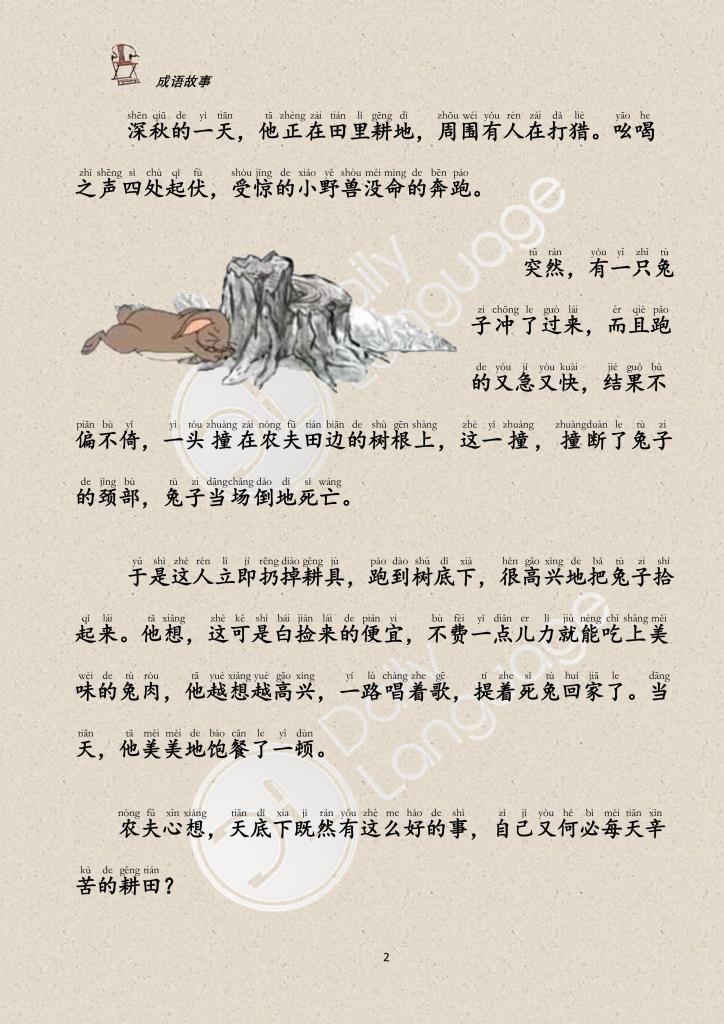
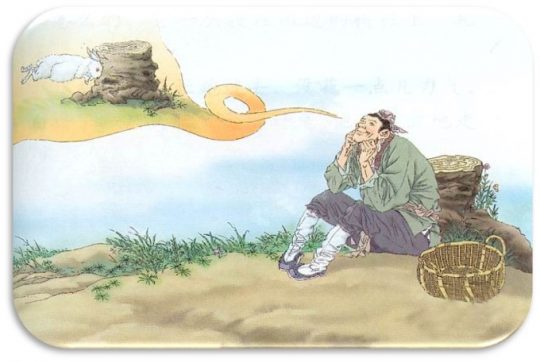
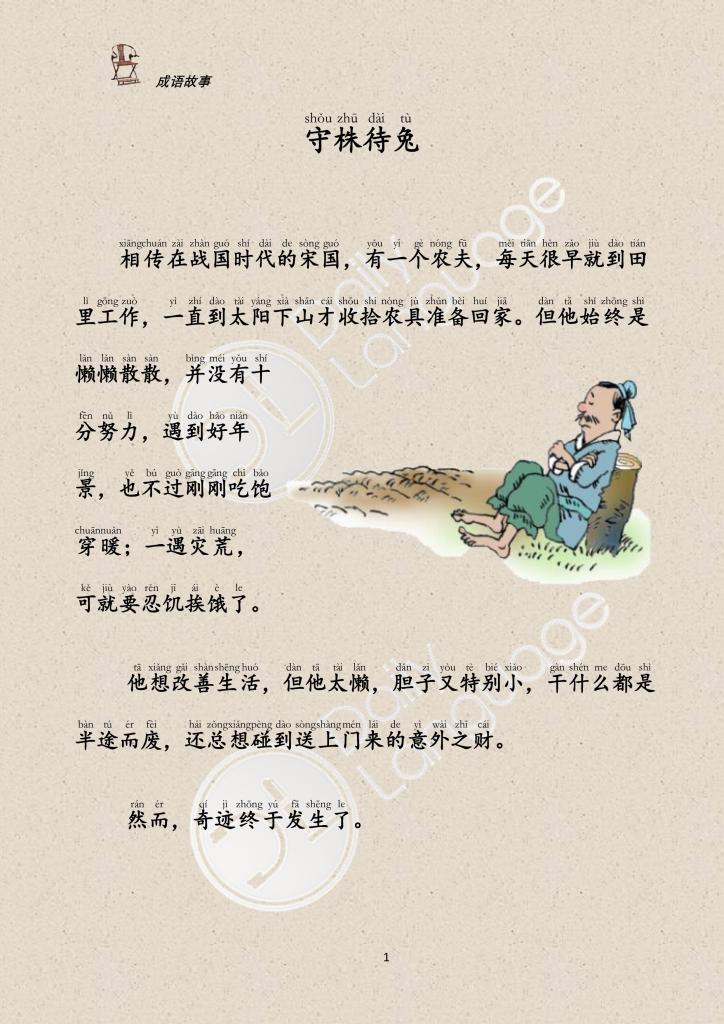
In the past, there was a farmer in the State of Song. There stood a big tree in the field he cultivated. One day, while working in the field, he suddenly saw a hare running by in front of him. The bare bumped against the big tree, broke its neck and died under the tree.

Without any effort, the farmer happily enjoyed a meal of bare meat. He was very pleased and thought how nice it would be if every day were like this.

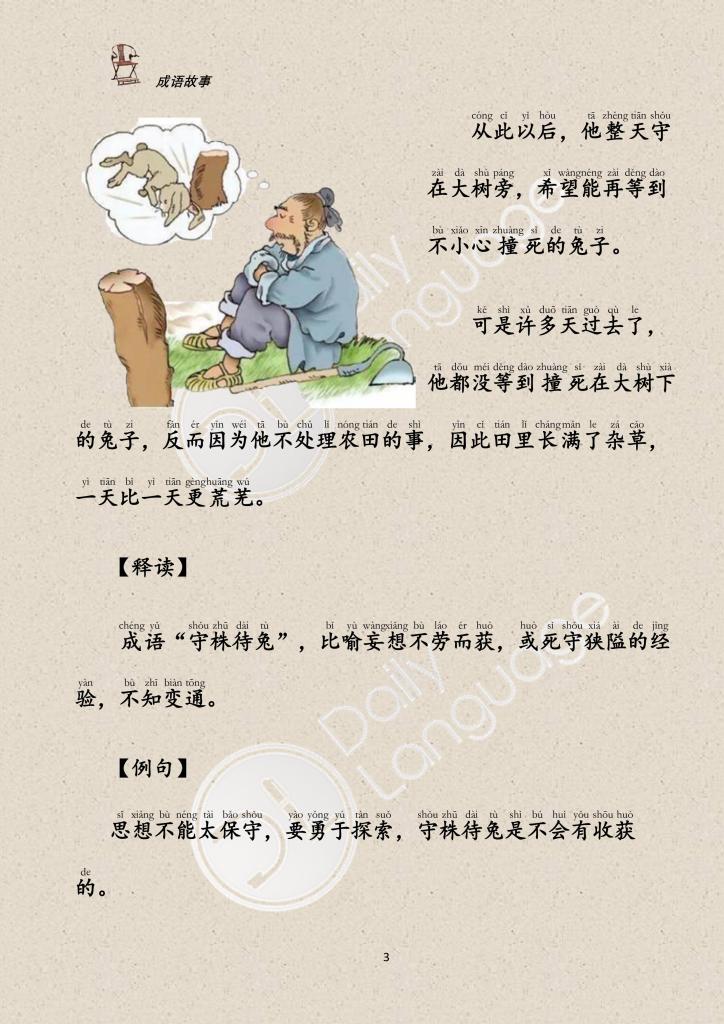
Thereupon, he no longer cultivated his land, but watched by that tree and waited for the chance to pick up another hare which knocked itself dead against the tree.

He waited and waited and watched. His field lay waste, but he never got a second hare. The people in the village laughed at him for taking the accidental for the inevitable.

守株待兔

shǒu zhū dài tù ,守株待兔,守在树旁等待兔子來。 株:树桩子。待:等。原意是对墨守成規者的讽刺。 比喻死守狭隘经验,不知变通,或抱著饶幸心理妄想不劳而获。 

出自先秦‧韩非《韩非子‧五蠹》。

例句

思想不能太保守,要勇于探索,守株待兔是不会有收获的。

一分耕耘,一分收获,年轻人千万不要抱著守株待兔的心态。

你成天只想著要考高分,却不肯脚踏实地的默默努力,这种守株待兔的心态真的很不可取。

Reading The Paragraphs!
Meaning of Words


 词语华文解释英文解释
懒懒散散意思是指人做事或者行为散漫随便。
例句:他星期天一早上开始就坐在那里不动,整天都懒懒散散的。
lazy and loosened
年景意思指年成,即一年的收成,可指过年的景象。
例句:俗话说“瑞雪兆丰年”,这么大的雪,一定有好年景
the year’s harvest
灾荒指自然给人造成的损害,如粮食歉收或绝收。
例句:灾荒和战争使人口减少了。
famine due to crop failure.
忍饥挨饿意思是忍受饥饿吃不饱饭或吃不上饭,形容极度贫困的生活状态。
例句:旱季提前到来,草木枯萎,野生动物们不得不忍饥挨饿,很多病弱的角马和羚羊没能活到第二年春天。
starving
半途而废意思是半路上就停下来了,比喻做事不能坚持到底,有始无终。
例句:立下了目标,就要努力完成,半途而废是不会有任何成就的。
to give up halfway;  do something by halves 
意外之财意思是意料之外的钱财。
例句:这次的彩票中奖让他得到了一笔意外之财
windfall
吆喝(yāo he)指大声喊叫或叫卖等。
例句:早市上熙熙攘攘,很多小贩大声吆喝,叫卖自己的货品。
yell
不偏不倚(yǐ)原指儒家的中庸之道,现指不偏袒任何一方,或正中目标,没有一点偏差。
例句:一只箭嗖的一声飞出去,不偏不倚正中靶心。
impartial; not leaning to the left or to the right; 
便宜常用于指东西价钱低廉或不应得的利益。
例句:他这个人没什么大毛病,就是有时候爱沾点儿小便宜
inexpensive; cheap
饱餐意思是尽量吃;饱饱儿地吃。
例句:等我们都从外国回来时,我一定约你们到我家去饱餐一顿。
eat one’s fill; glut
荒芜(wú)指荒凉,无人管理杂草丛生的土地。
例句:他们这次探险的最大挑战是要穿过一片荒芜的沙漠。
barren; desolation
不劳而获意思是自己不劳动而占有别人的劳动成果。
例句:在现实生活中,总有不少想不劳而获的人,他们总是想着能有好运会降临到自己身上。
reap where one has not sown
狭隘(xiá ài)指不宽阔,更多的引申为心胸、气量、见识等不宏大宽阔或非常局限。
例句:不要跟他这种狭隘的人打交道。
narrow
变通意思是依据不同情况,作非原则性的变动。遇特殊情况,可以酌情改变方式方法处理。
例句:疫情的处理方式,根据各地的具体情况,还可以有灵活变通的余地。
be flexible; accommodate something

蝙蝠、鸟和兽

Story Brief

The Birds, the Beasts, and the Bat

Once upon a time there was a fierce war waged between the birds and the beasts. For a long while the issue of the battle was uncertain, and the bat, taking advantage of his ambiguous nature, kept aloof and remained neutral.

At length when the beasts seemed to prevail, the bat joined their forces and appeared active in the fight. After a successful rally made by the birds, he was found among the ranks of the winning party.

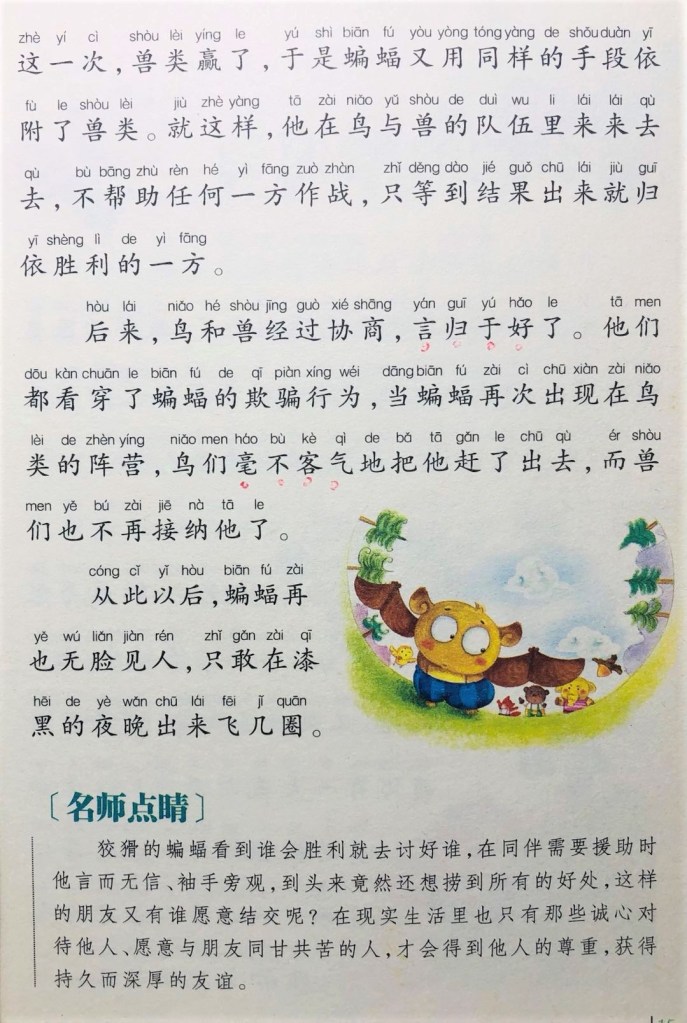
A peace being speedily concluded, the bat’s conduct was condemned alike by both parties. Being acknowledged by neither, he was excluded from the terms of the truce. He was obliged to skulk off as best he could and has ever since lived in holes and corners, never daring to show his face except in the duskiness of twilight.


蝙蝠、鸟和兽

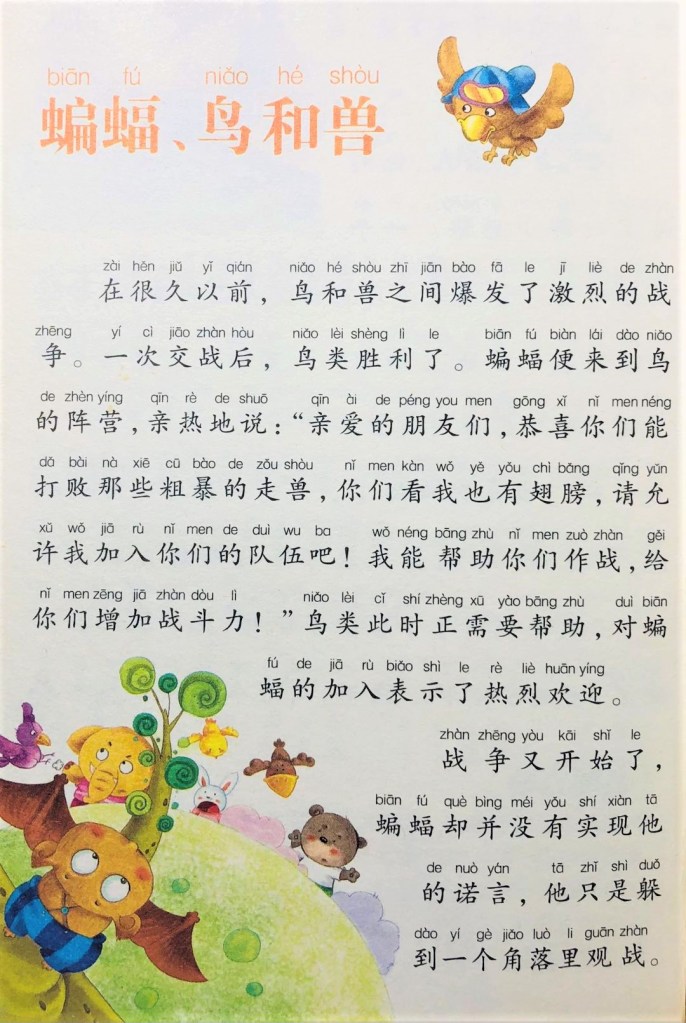
在很久很久以前,鸟和兽之间爆发了激烈的战争。一次交战后,鸟类胜利了。蝙蝠便来到鸟的阵营,亲热地说:“亲爱的朋友们,恭喜你们能打败那些粗暴的走兽,你们看我也有翅膀,请允许我加入你们的队伍吧!我能帮助你们作战,给你们增加战斗力!”鸟类此时正需要帮助,对蝙蝠的加入表示了热烈欢迎。

战争又开始了,蝙蝠却并没有实现他的诺言。。。

Reading The Paragraphs!

Explanation Now

Meaning of Words

 词语华文解释英文解释
爆发指火山内部的岩浆突然冲破地壳的现象;也可形容事物或人的情绪突然发作;突然兴起。
例句:两国边界上爆发了大规模的武装冲突。
outbreak; eruption
手段意思是本领、技巧,为达到某种目的而采取的方法和措施。
例句:表扬是鼓励进步的手段,不是目的。
method;
measure
依附意思是依赖、依靠。
例句:我们应该懂得自尊、自信,不应依附他人。
depend on; attach oneself to
归依或皈依,一般指佛教的三归依(三皈依),是进入佛门成为佛教徒所举行的仪式。表示精神上或身体上对信仰等的归属。
例句:信仰可以让人感到灵魂有所归依
grace; depend on
言归于好指彼此重新和好。
例句:他们争吵过,但现在已经完全言归于好了。
reconciled
阵营表示不同观点或视角之间的关系,它是相对的,并且在一定情况下也是可变的。比喻为了共同的利益和目标而联合起来进行斗争的集团。
例句:第二次世界大战以后,世界分为两大阵营
faction
毫不客气就是不留任何面子;不顾及别人感受地一种态度。通常发生在别人给予帮助的前提下。
例句:老人毫不客气地坐下来,连声谢谢都没说。
rudely; unceremoniously
接纳指接受个人或团体参加组织、参加活动等。
例句:小林终于被戏剧社团接纳,成为一名临时演员。
accepted; admitted


被抬着的驴子

Story Brief

The Miller, His Son, and Their Ass

A miller and his son were driving their ass to a neighboring fair to sell him. They had not gone far when they met with a troop of girls returning from the town, talking and laughing. “Look there!” cried one of them, “did you ever see such fools, to be trudging along the road on foot, when they might be riding!”

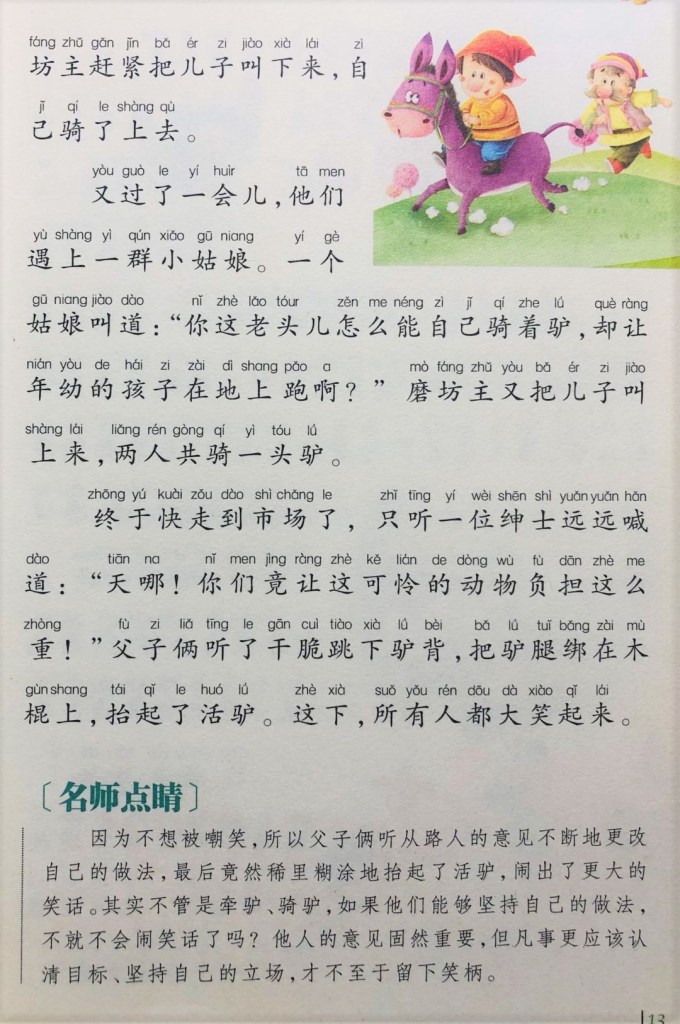
The old man, hearing this, quietly bade his son get on the ass, and walked along merrily by the side of him. Presently they came up to a group of old men in earnest debate. “There!” said one of them, “it proves what I was saying. What respect is shown to old age in these days? Do you see that idle young rogue riding, while his old father has to walk? Get down, you scapegrace! And let the old man rest his weary limbs.”

Upon this the father made his son dismount and got up himself. In this manner they had not proceeded far when they met a company of women and children. “Why, you lazy old fellow!” cried several tongues at once, “how can you ride upon the beast, while that poor little lad there can hardly keep pace by the side of you?”

The good-natured miller stood corrected and immediately took up his son behind him. They had now almost reached the town. “Pray, honest friend,” said a townsman, “is that ass your own?” “Yes,” said the old Man. “Oh! One would not have thought so,” said the other, “by the way you load him. Why, you two fellows are better able to carry the poor beast than he you!” “Anything to please you,” said the old man; “we can but try.”

So, alighting with his son, they tied the ass’ legs together and by the help of a pole endeavored to carry him on their shoulders over a bridge that led to the town. This was so entertaining a sight that the people ran out in crowds to laugh at it, till the ass, not liking the noise or his situation, kicked asunder the cords that bound him and, tumbling off the pole, fell into the river.

Upon this the old man, vexed and ashamed, made his way home, convinced that by endeavoring to please everybody he had pleased nobody and lost his ass in the bargain.


被抬着的驴子

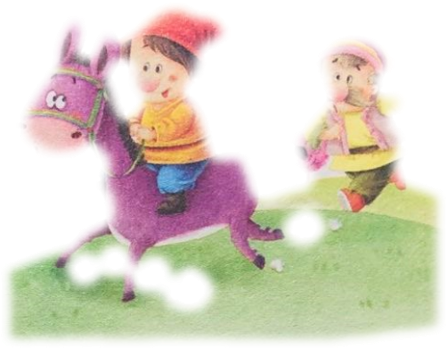
一天,磨坊主和他的儿子牵着一头小毛驴去集市上卖。

没走多远,他们遇上一群聊天的妇女,一个妇女突然指着他们叫到。。。

Reading The Paragraphs!

Explanation Now

Meaning of Words

 词语华文解释英文解释
话音刚落指话刚说完的时刻。
例句:话音刚落, 一只雪白的大狗突然从黄兔的身后窜了出来。
even as the sound of one’s voice died away
哄笑带嘲讽的大笑。
例句:看到他那痴痴的表情,同学们哄笑成一团。
guffaw
年迈意思是指年老;年岁大。
例句:年迈的祖父依然坚持劳作,每天都去照料果园里的果树。
old
不孝不孝敬父母。
例句:不孝父母、忘恩负义的人会被每一个有良心的人唾弃。
unfilial
负担一指费用或开支。二指承受的责任。三指承当 [责任、工作、费用等]。
例句:我所负担的苦,实在是太重了。
charge; burden; bear
干脆指爽快;利索。副词,表示动作行为直截了当,不拖泥带水。
例句:我知道志明的脾气,办事干脆,说一不二。
simply; directly; bluntly


成语——盲人摸象

Meaning of the Idiom

mang ren mo xiang

make an overall judgement of something on the basis of one-sided viewpoint;

draw a conclusion [make a decision] on the basis of partial understanding;

draw a conclusion from incomplete data;

take a part for the whole

The Blind Men and the Elephant

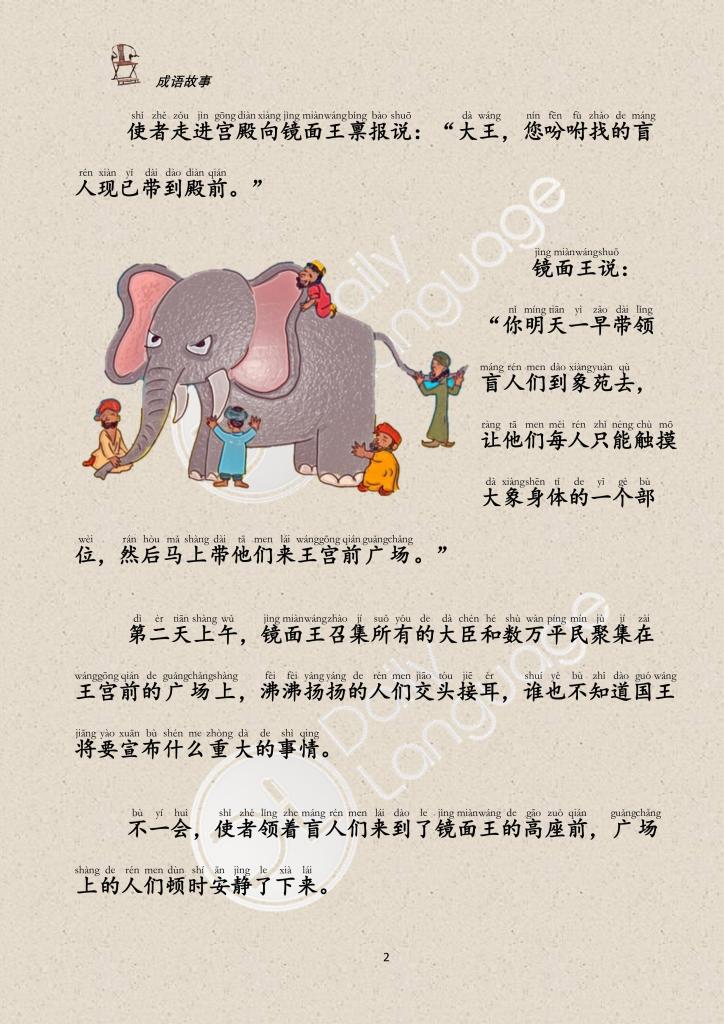
Once upon a time there were six blind men who lived in a village in India. Every day they went to the road nearby and stood there begging. They had often heard of elephants, but they had never seen one, for being blind, how could they?

One morning, an elephant was led down the road where they stood. When they heard that an elephant was passing by, they asked the driver to stop the beast so that they could have a “look”. Of course they could not look at him with their eyes, but they thought they might learn what kind of animal he was by touching and feeling him. For, you see, they trust their own sense of touch very much.

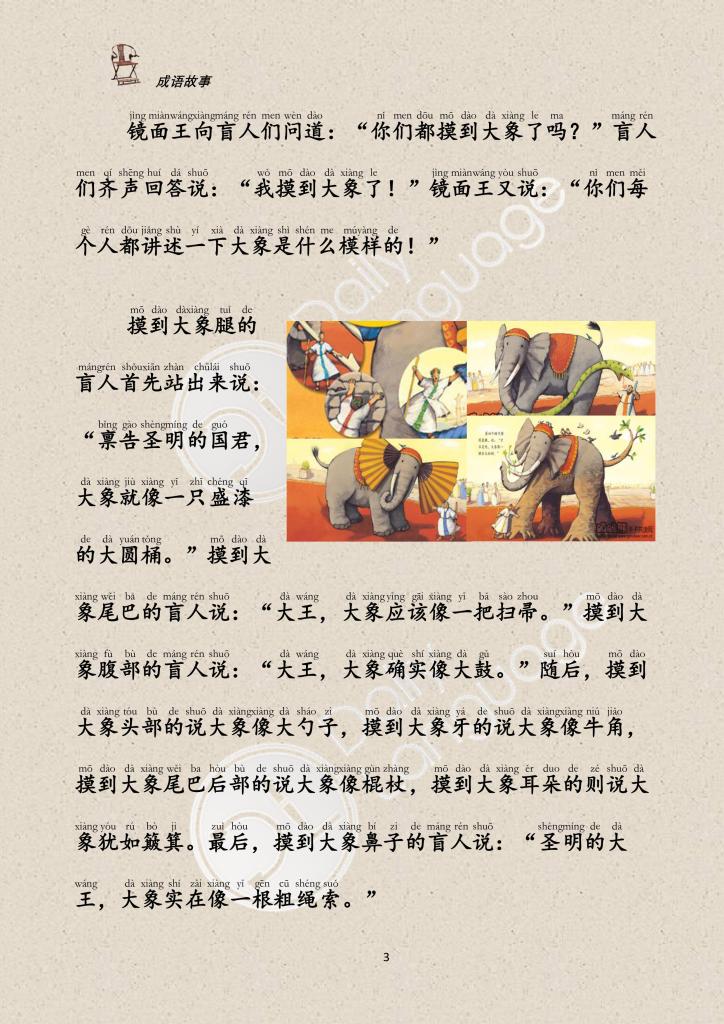
The first blind man happened to place his hand on the elephant’s side. “Well, well, ” he said. “This beast is exactly like a wall.”
The second grasped one of the elephant’s tusks and felt it. “You’re quite mistaken,” he said. “He’s round and smooth and sharp. He’s more like a spear than anything else.”
The third happened to take hold of the elephant’s trunk. “You’re both completely wrong,” he said. “This elephant is like a snake, as anybody can see.”
The fourth opened both his arms the closed them around one of the elephant’s legs. “Oh, how blind you are!” he cried. “It’s very clear that he’s round and tall like a tree.”
The fifth was a very tall man, and he caught one of the elephant’s ears. “Even the blindest person must see that this elephant isn’t like any of the things you name.” he said. “He’s exactly like a huge fan.”
The sixth man went forward to feel the elephant. He was old and slow and it took him quite some time to find the elephant at all. At last he got hold of the beast’s tail. “Oh, how silly you all are!” cried he. “The elephant isn’t like a wall, or a spear, or a snake, or a tree; neither is he like a fan. Any man with eyes in his head can see that he’s exactly like a rope.”

Then the driver and the elephant moved on, and the six men sat by the roadside all day, quarrelling about the elephant. They could not agree with one another, because each believed that he knew just what the beast looked like. It is not only blind men who make such stupid mistakes. People who can see sometimes act just as foolishly.

盲人摸象

máng rén mō xiàng , 意思是比喻对事物只凭片面的了解或局部的经验,就乱加猜测,想做出全面的判断;以偏概全,不能了解真相。

出自僧伽斯那《百喻经》。

例句

不了解事情的前因后果,总是去猜测,就像盲人摸象,解决不了问题。

就像盲人摸象,每个人都只看了不同的一部分。

只了解一个侧面就下结论,这和盲人摸象没什么两样。

Reading The Paragraphs!

Meaning of Words


 词语华文解释英文解释
信奉意思是信仰;敬奉。
例句:奶奶信奉佛教,心肠慈善,经常不计回报的帮助他人。
believe in; profess; faith in
虔(qián)诚指恭敬而有诚意的态度。
例句:阿拉罕对信仰非常虔诚,每天都按时做祷告。
devout
迷惑意思是辨不清是非;摸不着头脑;使人意识迷乱。
例句:这两份消息前后矛盾,令人对这一事件的原委十分迷惑
confuse
皈依(guī yī)归向依附。佛教术語,是成为正式佛教徒之前的宣誓仪式。
例句:他历经大起大落之后,有感于人生无常,决心皈依佛門。
convert
现身说法原指佛力广大,能现出种种人相,向人说法。现指以亲身经历和体验为例来说明某种道理。
例句:校长的现身说法,使人更加相信遇到危急情况应当如何自救。
act as an example to others
诱导指用启发诱惑的方式来引导思维或行为。
例句:读书的真正目的在于诱导头脑自己去思考。
induced
吩咐意思是指口头指派或嘱咐。
例句:她临走前吩咐女儿把房间整理好。
commanded; told
禀(bǐng)报指向上级或长辈报告。
例句:部长派出一名信使向首相禀报所发生的事。
report
沸沸(fèi fèi)扬扬像水沸腾后气泡、热气蒸腾翻滚一样,形容人声喧扰,议论纷纷。
例句:事情发生后的第二天,消息就在小镇沸沸扬扬地传开来了。
 discuss animatedly
交头接耳交头:头靠着头;接耳:嘴凑近耳朵。形容两个人凑近低声交谈。
例句:自习课上,同学们有的嘻嘻哈哈,有的交头接耳,秩序混乱。
whisper; speak in each other’s ears
圣明意思是指英明圣哲,无所不知。
例句:拥有一位圣明的君主无疑是臣民的幸运。
wise
簸箕(bò ji)一是指铲状器具,用以装垃圾;二是用藤条或去皮的柳条、竹篾编成的大撮子,扬米去糠的器具;
例句:她用扫帚将垃圾扫进簸箕,然后拿出去倒掉。
dustpan
争论不休争论:各抒己见,互相辩论。休:停止。意思就是双方或多方对某一个问题各执一词,讨论不出最终的结果,谁也不肯停下来。
例句:科学家和环保人士一直在为全球变暖的严重性争论不休
to keep arguing about something
争辩意思是辩论、争论。
例句:能否请大家各自说明,不要急于争辩
contend
意味深长指的是含蓄深远,耐人寻味。
例句:书中所述的人生哲理意味深长、发人深省。
meaningful

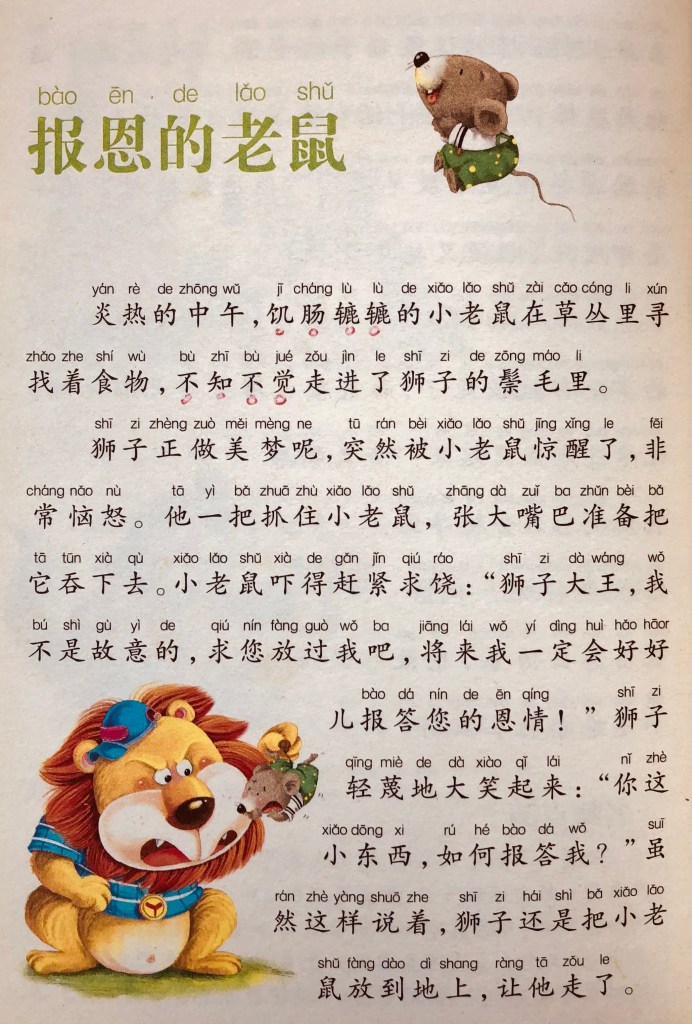
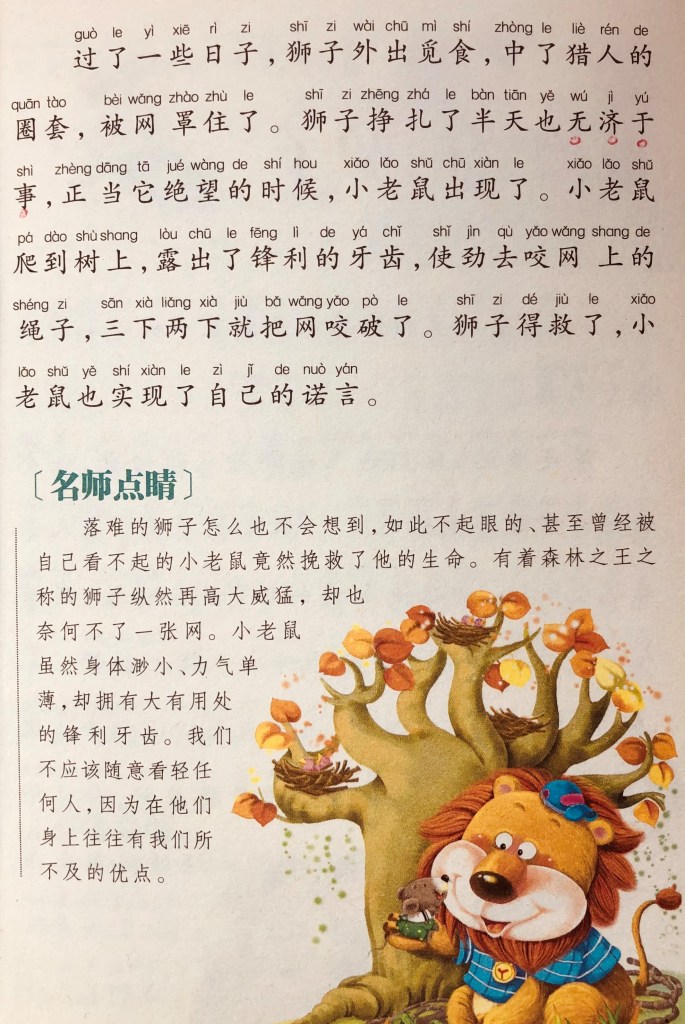
报恩的老鼠

Story Brief

The Lion and the Mouse

A lion was sleeping in his lair when a mouse, not knowing where he was going, ran over the mighty beast’s nose and awakened him. The lion clapped his paw upon the frightened little creature and was about to make an end of him in a moment, when the mouse, in pitiable tone, besought him to spare one who had so unconsciously offended, and not stain his honorable paws with so insignificant a prey. The Lion, smiling at his little prisoner’s fright, generously let him go.

Now it happened that a short time later the Lion, while ranging the woods for his prey, fell into the toils of the hunters. Finding himself entangled without hope of escape, he set up a roar that filled the whole forest with its echo.

The mouse, recognizing the voice of his former benefactor, ran to the spot and, without more ado, set to work to nibble the knot in the cord that bound the lion. In a short time the mouse set the noble beast at liberty, thus convincing him that kindness is seldom thrown away and that there is no creature so much below another but that he may have it in his power to return a good favor.


报恩的老鼠

炎热的中午,饥肠辘辘的小老鼠在草丛里寻找着食物,不知不觉走进了狮子的鬃毛里。

狮子正做美梦呢,突然被小老鼠惊醒了,非常恼怒。他一把抓住小老鼠。。。

Reading The Paragraphs!

Explanation Now

Meaning of Words

 词语华文解释英文解释
报恩即报答恩情,是中国传统伦理道德。恩情有很多,养育之恩、救命之恩、知遇之恩、培育之恩等等。知恩图报是做人的优秀品质。
例句:美洲先民为感激原住民对他们的援助,以报恩的名义举行一年一度的庆祝活动,这就是感恩节的由来。
pay a debt of gratitude; requite favour
饥肠辘辘(lù lù)意指肚子饿得咕咕直响,形容十分饥饿。
例句:天又冷又黑,且过了吃饭的时间,他有点饥肠辘辘了。
have a wolf in the stomach; hungry
不知不觉意思是没有意识到,没有觉察到。
例句:小林手里的笔,不知不觉就停下来了。
unconsciously
求饶意思是乞求饶恕。
例句:蝙蝠侠代表了正义,是个从不会向坏人求饶的人。
beg
恩情意思为给另一个人的好处、恩惠。
例句:桃李满天下,恩情似海深,祝老师身体健康!
kindness; gratitude
轻蔑(miè)意思是藐(miǎo)视、小看、鄙(bǐ)弃。
例句:他用轻蔑的一笑回答了无礼的问题。
contemptuous; disdain
报答用实际行动来表示感谢。
例句:这种恩情是我一辈子都不能报答的,谢谢你们!
repay; ever repay;
reward
无济于事意思是对事情没有什么帮助或益处,比喻不解决问题。
例句:遇事需当机立断,任何犹豫和怯懦都是无济于事的。
no avail
绝望没希望,断绝希望,毫无希望。一般指对某种事物完全失去了信心。
例句:真正能让你倒下的,不是对手,而是你绝望的内心。
give up all hope; despair; hopelessness
诺言应允别人的话,兑现和承诺后叫履行诺言。
例句:如果要取得别人的信任,你就必须坚守诺言
promise


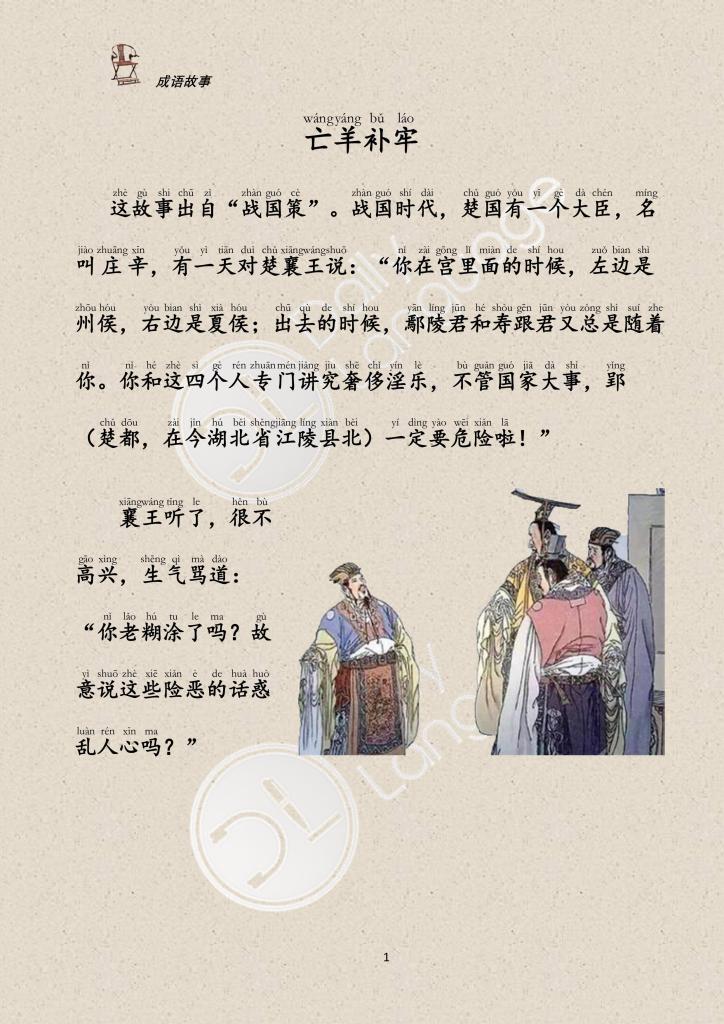
成语——亡羊补牢

Meaning of the Idiom

wang yang bu lao

It is not too late to mend the fold even after some sheep have been lost.

Meaning of it is never too late to mend.

Once upon a time, there was a shepherd who kept several sheep.

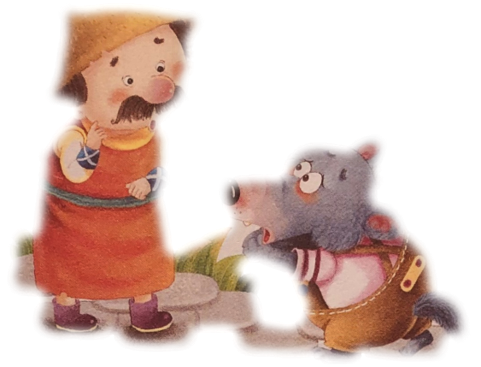
One morning, the shepherd discovered that one of his sheep was missing. It turned out that, during the night, a wolf had stolen his sheep through a hole in the sheep pen.

His neighbor suggested to him:” You should fix the pen and cover the hole right away.”

But the shepherd said:” The sheep is already lost, so I don’t need to repair it.” And so he rejected the neighbor’s suggestion.

The next morning, he discovered that another sheep was missing. Once again, the wolf stole the sheep through the hole in the fence.

The shepherd regretted not taking the neighbor’s advice. So he plugged the hole to secure the sheep pen.

From then on, no more sheep was stolen by the wolf.

亡羊补牢

wáng yáng bǔ láo, 意思是羊逃跑了再去修补羊圈,还不算晚。比喻出了问题以后想办法补救,免得以后继续受损失。

出自《战国策·楚策》。

例句

这次试验没有成功,我们应该亡羊补牢,认真总结教训。

学习中出现问题我们要及时补救,亡羊补牢,再不犯类似的错误。

虽然电脑中了病毒,不过现在安杀毒软件,也是亡羊补牢为时不晚。

Reading The Paragraphs!

Meaning of Words


 词语华文解释英文解释
讲究多指注重外观表现,力求完美。
例句:衣服和鞋子是什么牌子,我都不怎么讲究,合身就行。
be particular about; pay attention to
奢侈淫乐(yín lè或者yín yuè)奢侈;浪费过度。淫乐,纵欲作乐。奢侈淫乐指生活奢华浪费过度,沉迷放纵。
例句:暴戾的独裁者终日沉迷于奢侈淫乐的生活,终于被民众起义推翻了。
sybarite
险恶指地势险阻恶劣;也可比喻人心或形势非常危险和恶劣。
例句:没想到他这么做是为了达到这个目的,好一条毒计。真是用心险恶
dangerous; perilous;
sinister; vicious; malicious
惑乱人心指让人心慌意乱。用虚假的谎言扰乱人心以致失去判断力,也指人心或社会慌乱。
例句:谣言就像瘟疫一样,会惑乱人心、影响稳定,成为社会公害。
mislead the masses
宠信指给予极度的偏爱和信赖。
例句:秦二世胡亥非常宠信奸臣赵高,几乎已经到了言听计从的地步。
specially trust
流亡指任何人或团体,因为自然灾害、受到侵略、迫害(包括政治迫害)或其他负面因素而离开出生或定居的国家、地区。
例句:这位作家因为揭露丑闻而被皇室驱逐,而只能流亡国外。
exile
诚恳一指诚实而恳切,形容不虚假的话;二指以光明磊落的动机做正确的事;三指真诚的恳求。
例句:打动童心的最佳方法是诚恳而慷慨地赞扬他们的每次进步。
sincere; earnest
享乐意思是享受安乐,享受快乐(多含贬义)。
例句:与其只追求在世上的享乐,不如为社会多做些贡献。
seek pleasure
悲惨意思是悲苦凄惨。
例句:卖火柴的小女孩在大年夜里冻死了,这个结局十分悲惨
tragic; wretchedness
挽救指从危险或不利中救回来。
例句:医生经过数个小时的紧急手术,终于挽救了他的生命。
remedy; rescue; save
轻举冒进比喻随意和冒险的推动事件的发展,不考虑有可能的风险和失误。
例句:对这次的项目他们考虑不周、轻举冒进,结果给公司造成了无法弥补的损失。
hazard; adventure; ventured in
境地所处的环境,境况。
例句:在丢失了露营装备以后,他们已经陷入孤立无援的境地
situation; position
气馁(něi)指失去信心与勇气,提不起精神再做任何事。
例句:哥哥没有考上大学并不气馁,他发奋努力,终于自学成才。
discouraged
耐心指心里不急躁,不厌烦。
例句:姐姐辅导功课非常有耐心,对弟弟不明白的部分反复讲解,终于让他完全掌握了这道题的解法。
forbearance; tolerance; patience

成语——闻鸡起舞

Meaning of the Idiom

wen ji qi wu

Rising Up upon Hearing the Crow of a Rooster to Practise Sword Playing.

Meaning of people of high aspirations who lose no time to prepare themselves for a great future.

Zu Ti of the Jin Dynasty(265-420)was a big-hearted and farsighted person, however, he was very naughty and did not like to study when he was a small kid. When he became a young man, he felt acutely that his knowledge was inadequate and that he could not serve his country well if he did not study hard. So he put all his energies into his study. He read extensively, seriously studied history from which he absorbed rich knowledge, and made good progress in his studies.

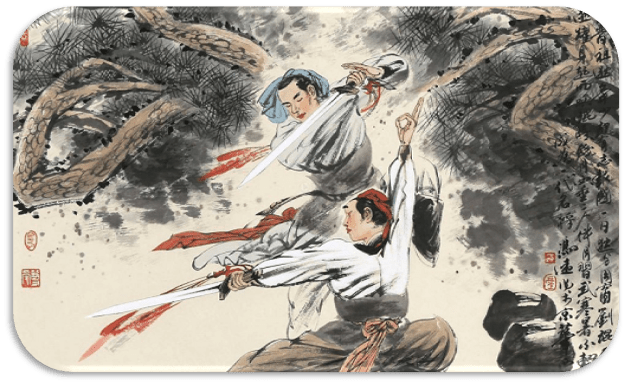
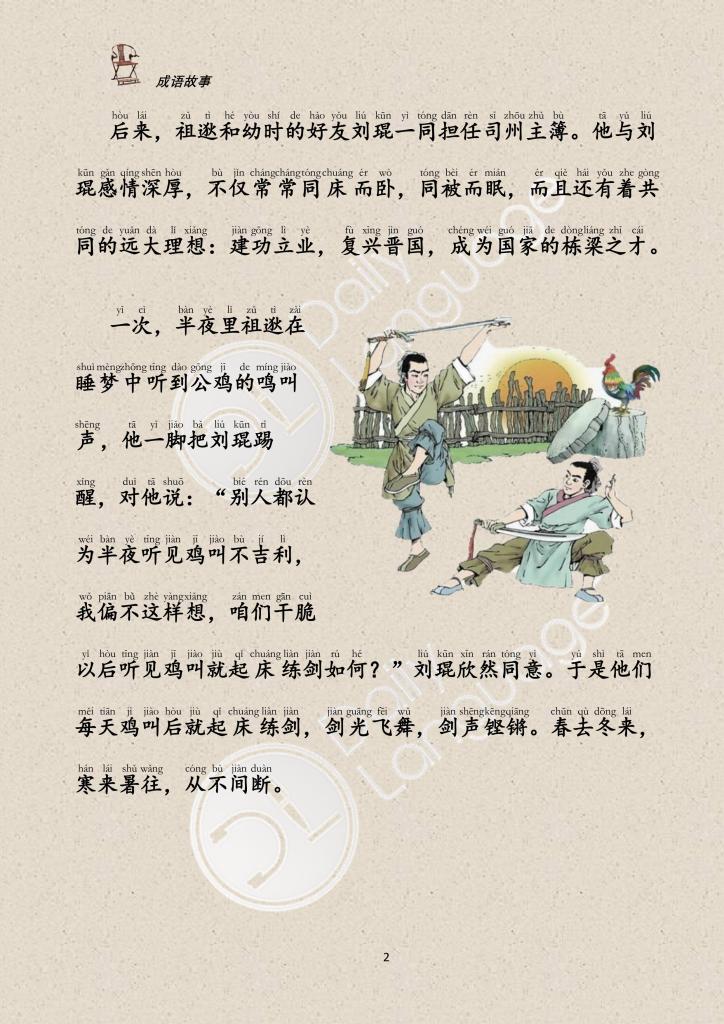
Later, both Zu Ti and Liu Kun, his best friend, were appointed chief clerks responsible for document administration in the Sizhou Prefecture. he and Liu Kun cherished a deep affection for each other. Once, Zu Ti heard a cock crow in the wasteland in his dream at midnight. He kicked Liu Kun a wake and saying to him:” People say it is inauspicious to hear a cock crow in the wasteland. I don’s think so. What about getting up and practicing sword playing the moment we hear the cock crow form now on?” Liu Kun agreed readily. So every day when the cock crow, they got up and practiced sword playing, the cold steel of the swords glinting and flashing. Day by day, they never stopped. Through long periods of hard study and training, they finally became versatile persons versed in both civil and military affairs. They could write good essays, and were capable of leading troops in fighting victoriously.

This story appears in “The Life of Zu Ti” in The History of the Jin Dynasty. From this story people have coined the set phrase” rising up upon hearing the crow of a rooster to practice sword playing” to signify that someone is exerting himself to do something worthwhile. It is also used to signify that a person of noble aspirations exerts himself in time.

闻鸡起舞

wén jī qǐ wǔ ,闻鸡起舞,原意为听到鸡啼就起来舞剑,后来比喻有志报国的人即时奋起。

出自《晋书·祖逖传》。

例句

他每天5点钟便起床锻炼身体,风雨无阻,这种闻鸡起舞的精神可敬极了。

越王勾践卧薪尝胆,闻鸡起舞,最后打败了吴国。

学习,就要有闻鸡起舞的精神,勤奋、勤奋、再勤奋。

Reading The Paragraphs!

Meaning of Words


 词语华文解释英文解释
胸怀坦荡胸怀是“心中所怀”,就是人对事物的宽容和承受力。胸怀坦荡就是敞开胸怀容载万物。
例句:她胸怀坦荡,从不隐瞒自己的过失。
open and poised; open affectionate heart
远大抱负意思是远大的志向、理想。
例句:人可以不介意从底层做起,但是一定要有远大抱负
great ambition
贫乏形容钱财上或精神上穷困,贫困;欠缺,不足。
例句:我们愈是学习,愈感觉到自己的贫乏
poor; short; lacking
报效意思是为报恩而效力。
例句:国家遭受到了恐怖分子的袭击,士兵知道报效祖国的时机来到了。
serve
汲(jí)取意思是吸取、吸收。
例句:他们自以为从过去的错误中汲取了教训。
draw; derive; absorb
辅佐(fǔ zuǒ)协助,多指政治上,如协助君主治理国家 。
例句:选举人团队全心全意地辅佐候选人,终于让他获得足够的选票当选总统。
assisted; adjuvant 
推荐意思是推荐,介绍。
例句:昨天,老师向我们推荐了几本适合小学生阅读的书。
recommended
不懈(xiè)指不放松;不松懈;不间断的。
例句:我们为您在寻求和平方面做出的不懈努力向您表示敬意。
persisting; steady; untiring 
栋梁之才栋梁,支持房屋的大梁。 栋梁之才,比喻能肩负国家重任、担当大事的人才。
例句:每个青年都应该努力向上,刻苦学习,使自己成为国家的栋梁之才
 a man of tremendous promise;
欣然意思是非常愉快的,自然的(指表情上的)高兴的样子。
例句:她未经思考就欣然接受邀请。
readily
铿锵(kēng qiāng)形容乐器声音响亮有力,也用于形容人声洪亮或深沉坚定。同时用来形容诗词文曲声调响亮,节奏明快。铿锵是象声词,有响亮和激越的含意。
例句:这首十四行诗读起来音调铿锵,回味无穷。
sonorous
文韬武略(wén tāo wǔ lüè)表示文武双全、大智大勇,在军事政治等方面具有卓越才能的人。
例句:孙权文韬武略、胆识过人,不愧为一代豪杰。
military expertise

懊悔的牧羊人

Story Brief

The Wolf and the Shepherd

A wolf had long hung about a flock of sheep and had done them no harm. The shepherd, however, had his suspicions, and for a while was always on the lookout against him as an avowed enemy. But when the wolf continued for a long time following in the train of his flock without the least attempt to annoy them, he began to look upon him more as a friend than a foe. Having occasion to go into the city one day, he entrusted the sheep to his care.

The wolf no sooner saw his opportunity than he immediately fell upon the sheep and worried them. The shepherd, on his return, seeing his flock destroyed, exclaimed, “Fool that I am! Yet I deserved no less for trusting my sheep with a wolf!”

There is more danger from a pretended friend than from an open enemy.


懊悔的牧羊人

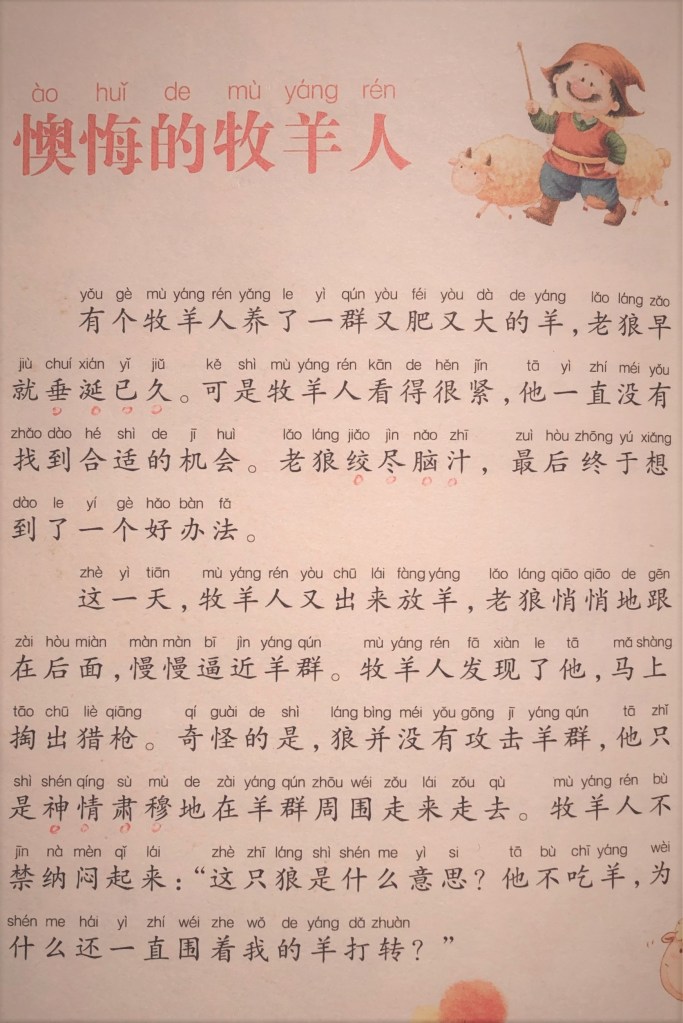
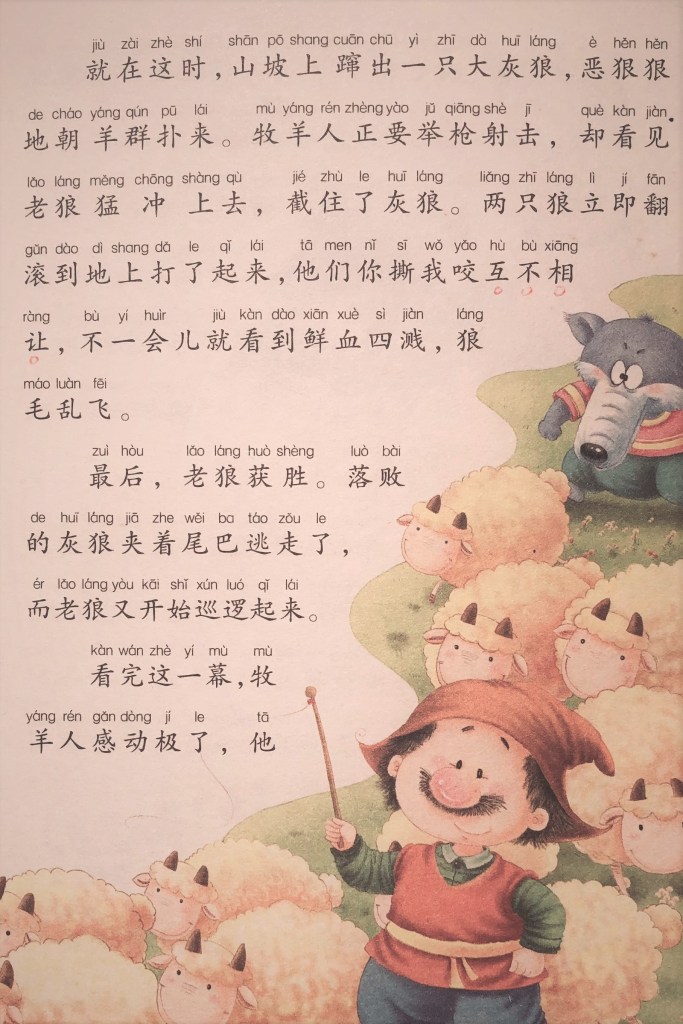
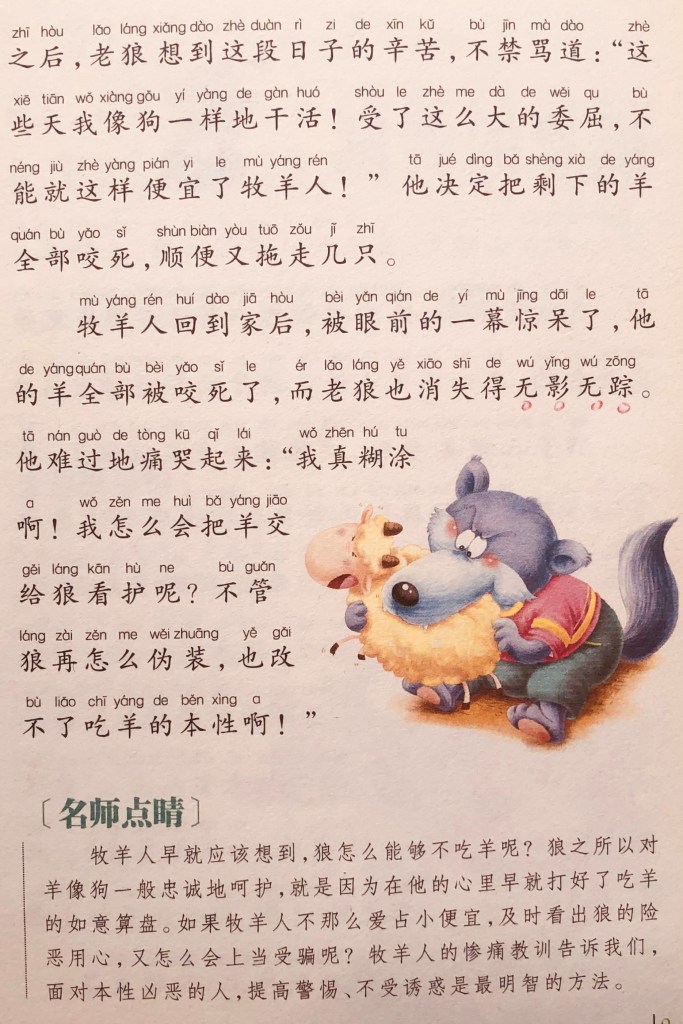
有个牧羊人养了一群又肥又大的羊,老狼早就垂涎已久。可是牧羊人看得很紧,他一直没有找到合适的机会。老狼绞尽脑汁,最后想到了一个好办法。

这一天,牧羊人又出来放羊。。。

Reading The Paragraphs!

Explanation Now

Meaning of Words

 词语华文解释英文解释
懊悔因过错而自我悔恨。
例句:虽然经历了无数的挫折,但在他心中从没有懊悔
repent; feel remorse
垂涎(xián)已久因想吃到而流下口水,比喻贪婪或十分羡慕,看到别人的好东西总想得到。
例句:孩子们对橱窗里漂亮的糖果垂涎已久
slaver; covet
绞尽脑汁意思是形容苦思积虑,费尽脑筋,想尽办法;费尽心思去思考一件事情。
例句:这道题很难,小丽绞尽脑汁也没想出解题方法。
rack someone’s brains
神情肃穆形容人的表情严肃恭敬。
例句:来参加追悼会的人神情肃穆,会场上弥漫着凝重的气氛。
solemn and respectful
纳闷因为疑惑而发闷,对事情不解的意思,因为不明白感觉很奇怪。
例句:世上纳闷的事情太多了,因为,我们不知道每个人的内心世界。
feel puzzled; wonder
互不相让比喻双方在策略、论点及行动方式等方面尖锐对立,谁也不让谁。
例句:然而,一场新冠肺炎疫情竟然使我们发生了第一次争吵,而且互不相让
each refused to give in to the other
巡逻意思是行走并查看警戒。
例句:这次巡逻全程要徒步50多公里,即使骑马往返也要一天时间。
patrol
驯服意思是顺从,或使温和顺从。
例句:他的性子像野马一样难以驯服
tame
温顺形容词,可形容人和动物性格温和、顺从 。
例句:温顺可爱的袋熊,长着非常强壮的爪,善于攀爬。
docile
提(dī)防意思是小心防备,注意防范。
例句:不要轻易相信那些貌似绝对正直的人,而必须提防对方是否善良。
take precautions against
嘱咐叮嘱,吩咐。即告诉对方记住应该怎样,不应该怎样。
例句:进考场前,老师一再嘱咐我们不要紧张,要认真读题。
charged; enjoin on
肆无忌惮(dàn)指做起事来毫无顾忌,恣意妄为。
例句:警方出动大批警力,取缔肆无忌惮的飙车族。
unbridled
委屈压制自己的意志,以迁就他人或环境。
例句:人活在世上难免会受到蔑视、冤枉、委屈;你大可不必去理会,也不必去反抗,用事实与时间可证明你的一切。
wronged; aggrieved
无影无踪意思是没有一点踪影。形容完全消失,不知去向。
例句:听到这个好消息,他连日来的疲劳一下子消失得无影无踪
to disappear completely; to vanish without a trace.
糊涂释义是人头脑不清楚或不明事理。也指事物混乱不清。
例句:他一遇到数学问题脑袋就糊涂
confused
伪装意思是假装;采取措施隐蔽真相。
例句:尽管骗子伪装得很巧妙,还是被人们识破了。
disguise


成语——铁杵磨针

Meaning of the Idiom

Tie Chu Mo Zhen

Constant grinding can turn an iron rod into a needle. 

Constant dropping wears away a stone.

If you work at it hard enough, you can grind an iron rod into a needle — perseverance spells success.

Little strokes fell great oaks.

With time and patience the leaf of the mulberry becomes satin.

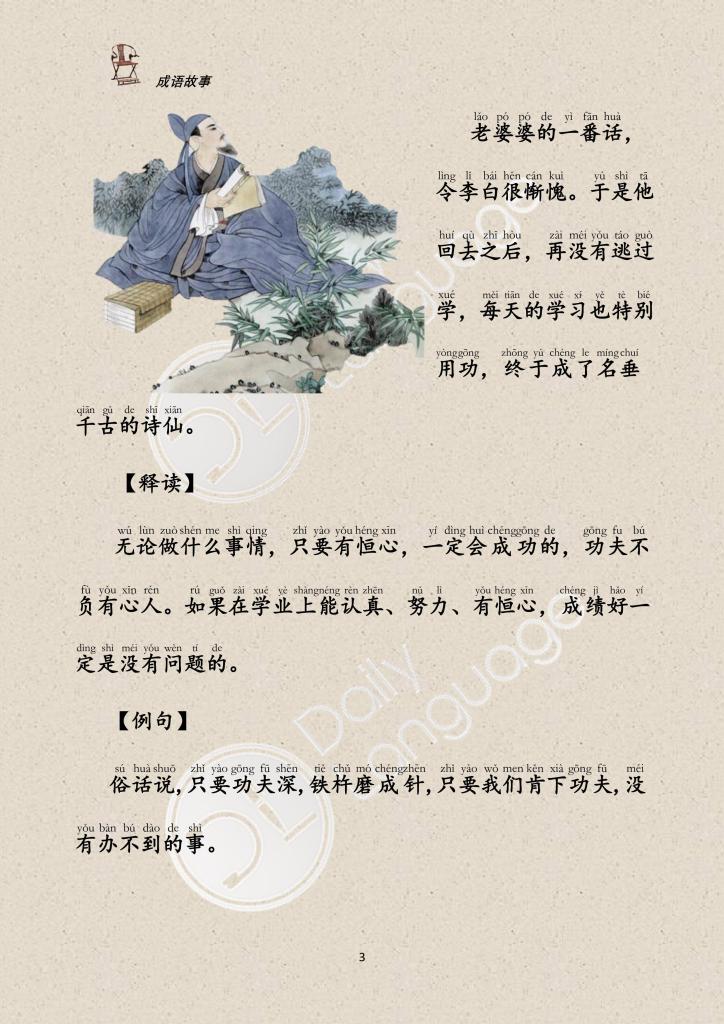
Li Bai was a great poet in the Tang Dynasty of China. It is said that in his childhood, he was very fond of playing and afraid of difficulties, and made slowly progress. One day, on his way home after school, he walked by a creek and saw an old woman grinding a iron rod. Being curious, he went to the old woman and asked:” Old grandma! why are you grinding this iron?” The old woman replied:“To make a needle.” At this moment, Li Bai felt more curious and asked again: “How can you grind such a thick iron rod into a needle?” “Yes, I can. Certainly I can.” the old woman said,  “If you work at it hard enough, you can grind an iron rod into a needle.” Heard the old woman’s words, Li Bai was enlightened.

Since then, Li Bai studied hard and made rapid progress. Eventually he became a famous poet.


铁杵磨针

tiě chǔ mó zhēn ,比喻只要有决心,肯下工夫,多么难的事情也能做成功。

出自南宋祝穆的《方舆胜览》。

例句:

俗话说:只要功夫深,铁杵磨成针,只要我们肯下功夫,没有办不到的事。

做任何事,我们都要有要有百折不挠的精神和铁杵磨针的毅力,切忌邯郸学步,否则只能一无所成。

过目不忘的天资固然可贵,但铁杵磨针的毅力却更值得称颂。

Reading The Paragraphs!

Meaning of Words

 词语华文解释英文解释
闲逛随便走走,无目的的闲荡。
例句:自从丢掉工作以后,他总是在街头闲逛,无所事事。
wander
不知不觉意思是自己没有意识到,没有察觉到。
例句:海边的景色是那么迷人,我们竟然不知不觉走了几个小时。
unconsciously
感叹不已意思是形容因为惊奇敬佩而发出的感叹久久不止,感受至深。
例句:原来,这个8岁的孩子竟然担负起照顾患病父亲的责任,让所有在场的人惊讶之余,感叹不已
sigh; suspire
茅屋是用芦苇、稻草等作为屋顶的简陋房子。
例句:这片森林人迹罕至,只有小径附近的一座猎人藏身的茅屋可以躲避风雨。
hut
铁杵古时候铁制的一头粗一头细的圆棒,用来压米或捶衣用的棒。
例句:传说中嫦娥养了一只可爱的白兔,在月亮上用一根铁杵捣药。
iron
反问 反过来对提问的人发问。
例句:面对无礼的质疑,他反问道:“为什么我就不能说不?”
answer back 
惭愧 指因有缺点、错误或未能尽责等而感到不安或羞耻的情绪;或者表示自谦的感幸之词。
例句:在意识到是自己导致了比赛的失败,他感到非常惭愧
ashamed 
名垂千古 比喻好名声永远流传。
例句:宋代名将岳飞,以他的精忠报国精神名垂千古
immortality
恒心 一指持之以恒的毅力,坚持达到目的或执行某项计划的决心;二指持久不变的意志;三指人常有的善良本心。
例句:只要人有恒心,一定能有所成就。
 constancy, perseverance
功夫不负有心人 意思是只要用心去做某事,就会取得成功。
负:辜负,对不起。
例句:经过一年的刻苦训练,他终于一次通过了体能测验,真是功夫不负有心人啊!
 Everything comes to him who waits.


爱美的小鹿

Story Brief

The Stag at the Pool

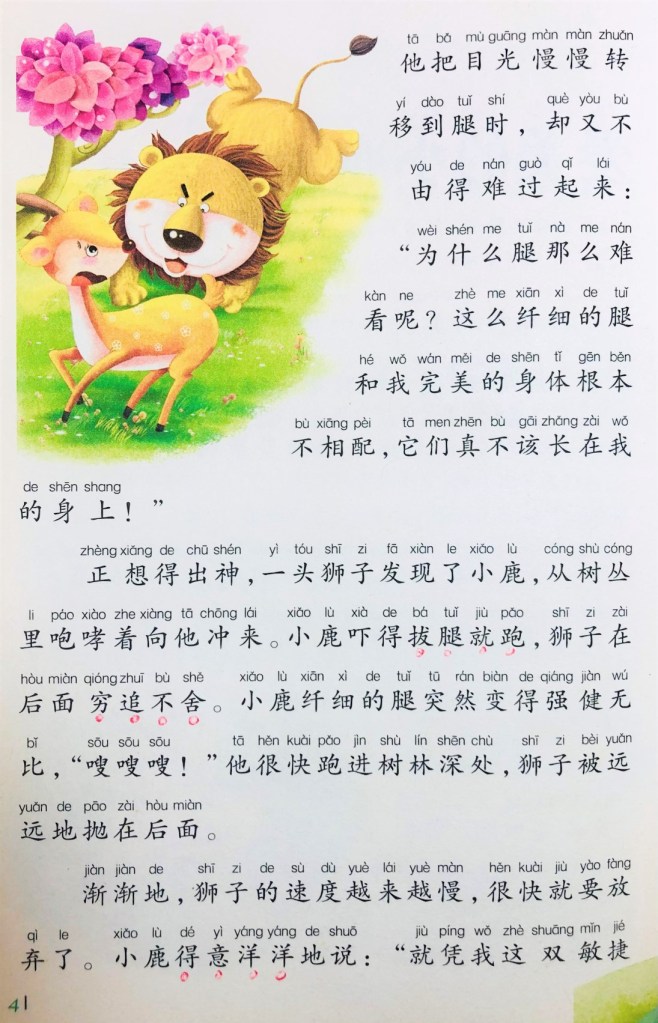
A stag one summer’s day came to a pool to quench his thirst, and as he stood drinking he saw his form reflected in the water. “What beauty and strength,” said he, “are in these horns of mine; but how unseemly are these weak and slender feet!”

While he was thus criticizing, after his own fancies, the form which Nature had given him, the huntsmen and hounds drew that way. The feet, with which he had found so much fault, soon carried him out of reach of his pursuers; but the horns, of which he was so vain, becoming entangled in a thicket, held him till the hunters again came up to him, and proved the cause of his death.


爱美的小鹿

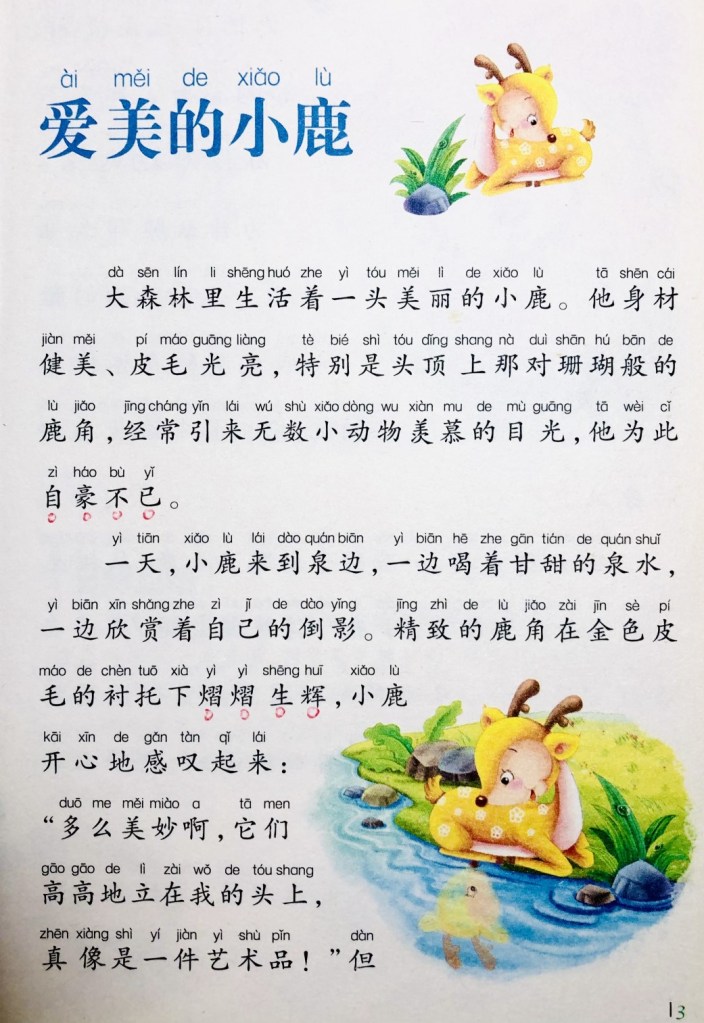
大森林里生活着一头美丽的小鹿。他身材健美、皮毛光亮,特别是头顶上那对珊瑚般的鹿角,经常引来无数小动物羡慕的目光,他为此自豪不已。

一天,小鹿来到泉边。。。

Reading The Paragraphs!

Explanation Now

Meaning of Words

 词语华文解释英文解释
自豪不已指自己感到非常光荣,有成就感。proud of oneself
精致的精巧细致exquisite
熠(yì)熠生辉闪烁的,形容光彩闪耀glowing, twinkling
感叹有所感触而叹息express the amazement; sigh
纤(xiān)细细小,细微slender, delicate
相配彼此配合,合适match with each other
出神神情专注, 发呆be lost in thought; be absorbed in
咆(páo)哮(xiāo)形容人在激怒时的吼叫growl, roaring
拔腿就跑形容在急切时立刻迈开脚步快跑。start running immediately
穷追不舍紧紧追赶不放松keep on chasing after
强健无比身体非常强壮健硕very strong and muscular
得意洋洋形容十分得意、沾沾自喜的样子。triumphantly; have one’s nose in the air
敏捷语言或者动作迅速快捷。agile
挣(zhēng)扎尽力支撑或摆脱struggle
挣脱奋力摆脱struggle to free oneself
关键最紧要或起决定性作用的部分the key to something
悔恨对过去的事后悔怨恨regret deeply